I first stumbled upon Chicken Florentine during a dinner at a charming little Italian restaurant tucked away in my neighborhood. The moment I took my first bite of that creamy, cheesy goodness paired with vibrant spinach, I was hooked. It was one of those meals that made me weak at the knees, and I thought to myself, “I need to recreate this at home!” Plus, let’s be honest—my wallet wasn’t thrilled about my frequent visits to that cozy spot, so I set out on a mission to make it even better in my own kitchen.
After what felt like an eternity (okay, it was more like five attempts), I finally nailed down the perfect Chicken Florentine recipe. Each iteration had me tweaking the creaminess, adjusting the seasoning, and battling with how to get that cheesy goodness just right without it becoming a gloppy mess. There were moments when I thought I’d never get it right—let’s just say my earlier versions didn’t exactly scream “culinary masterpiece.” But every misstep led me closer to achieving that luscious balance of flavors and textures that I craved.
And let me tell you, all that trial and error was absolutely worth it! The final dish is an irresistible combination of tender chicken bathed in a rich, creamy sauce, enveloped by sautéed spinach and melted cheese—it’s comfort food at its finest. With its velvety texture and layers of flavor from garlic and Parmesan, you’ll find yourself going back for seconds (or thirds!). So grab your apron and get ready to whip up this delightful Chicken Florentine—I can’t wait for you to experience the magic!
These Chicken Florentine are….
…the ultimate indulgence for a cozy night in that you won’t soon forget!
1. They offer a creamy, savory depth that dances on your palate, thanks to the combination of heavy cream and Parmesan cheese. This luscious sauce envelops the chicken, enhancing its natural flavors while adding richness that elevates each bite into a delightful experience.
2. Tender and juicy texture – each piece of chicken breast is seared to perfection, locking in moisture and creating a satisfying contrast with the creamy sauce. The result is a dish where the chicken remains succulent, making every forkful a pleasure to savor.
3. A key cooking technique involves searing the chicken at high heat before simmering it in the rich sauce. This not only creates a beautiful golden crust but also deepens the overall flavor profile, ensuring that each piece of chicken is infused with deliciousness throughout.
4. Unbeatable value – making Chicken Florentine at home means you can enjoy restaurant-quality flavors without breaking the bank. With simple ingredients like boneless, skinless chicken breasts and fresh spinach, this dish is accessible and budget-friendly while delivering incredible taste.
PS This recipe easily serves 4 people, perfect for family dinners or meal prep for the week ahead!
Ingredients for the Chicken Florentine
Each ingredient in this dish plays an essential role in flavor and texture. Here’s what you’ll need:
4 pieces boneless, skinless chicken breasts: These provide a tender and juicy protein base.
4 cups fresh spinach (washed and chopped): Adds vibrant color and a nutritious boost.
1 medium onion (finely chopped): Contributes sweetness and depth to the sauce.
2 cloves garlic (minced): Infuses aromatic richness into the dish.
1 cup heavy cream: Creates a luscious and creamy sauce that binds everything together.
1 cup grated Parmesan cheese (plus extra for serving): Delivers a salty, nutty flavor that enhances the overall taste.
1 teaspoon salt (to taste): Essential for balancing the flavors.
1 teaspoon black pepper (to taste): Adds a hint of warmth and spice.
1 teaspoon Italian seasoning: Introduces a blend of herbs that complements the chicken beautifully.
2 tablespoons olive oil: Used for sautéing, it adds richness and helps with browning.
You must properly cook the chicken. Trust me!
I’ll admit it—I tried to find a shortcut when cooking the chicken for this Chicken Florentine. I thought maybe I could just throw it into the sauce and let it cook there, but after several disappointments (and a few questionable dinner moments), I realized there’s no substitute for properly cooking the chicken first. It adds a bit of time, but it’s absolutely essential for getting that perfect texture and flavor.
Why is this step so crucial? Think of it like searing meat before a stew. When you properly cook your chicken breasts in that hot olive oil, you’re not just avoiding rubbery meat; you’re creating a beautiful crust that locks in juices and flavors. This means your Chicken Florentine will be tender and bursting with savory goodness instead of bland and chewy.
What does cooking the chicken do?
- Flavor: Properly cooking the chicken develops caramelized notes on the surface, enhancing overall taste.
- Texture: A well-cooked chicken breast is juicy and tender, providing a satisfying bite compared to undercooked or overcooked versions.
- Moisture retention: Cooking the chicken thoroughly allows it to lock in moisture, ensuring every bite is succulent.
- Color: Achieving that golden-brown exterior not only looks appealing but also indicates flavorful browning reactions (Maillard effect) have occurred.
- Safety: Ensures the chicken is safe to eat, eliminating any risk of foodborne illness from undercooked poultry.
Different cooking times
- 3 to 4 minutes per side (fair) — The chicken may be undercooked, resulting in rubbery texture and potential safety issues.
- 6 to 7 minutes per side (good) — Perfectly cooked chicken with a nice golden crust; juicy inside but still tender.
- 8 minutes per side (very good) — Slightly more caramelization for enhanced flavor; still retains moisture if carefully monitored.
- 9+ minutes per side (poor) — Risk of drying out the chicken; it can become tough and lose its succulent qualities.
Be warned: The most common mistake people make is rushing this step. If you cut corners or don’t give the chicken enough time, you’ll end up with dry, unappetizing meat that ruins your delicious sauce. Don’t do it!
How to make Chicken Florentine

Are you ready to see how straightforward it is to make the Chicken Florentine of your dreams??
1. PREPARE THE CHICKEN
Let’s kick things off by getting that chicken perfectly seasoned and cooked!
1. Season – Start by seasoning the chicken breasts generously with salt, black pepper, and Italian seasoning. This adds flavor right from the start! Don’t be shy; a good seasoning will elevate your dish.
2. Heat – In a skillet over medium heat, add the olive oil. Allow it to heat until shimmering but not smoking; this indicates it’s ready for cooking.
3. Cook – Add the seasoned chicken breasts to the skillet, cooking them for about 6-7 minutes on each side or until they are golden brown and cooked through (internal temperature should reach 165°F/74°C). Once done, remove the chicken from the skillet and set aside.
HANDY TIPS
- For juicier chicken, let it rest for a few minutes after cooking before slicing.
- If your chicken breasts are particularly thick, consider pounding them to an even thickness for more consistent cooking.
2. COOK THE VEGETABLES
Now, let’s bring in those vibrant veggies for added flavor and nutrition!
4. Sauté – In the same skillet (don’t wash it yet!), add the finely chopped onion and minced garlic. Sauté until the onion is translucent and fragrant, about 3-4 minutes. This step builds a wonderful base for your sauce.
5. Add Spinach – Toss in the washed and chopped spinach, stirring until it wilts down—this should take just a couple of minutes. The bright green color tells you it’s perfectly cooked!
HANDY TIPS
- Use fresh spinach for better texture and flavor; frozen can become watery.
- If you want a bit more bite in your veggies, feel free to add some crushed red pepper flakes when sautéing!
3. MAKE THE SAUCE
This is where things get creamy and delicious!
6. Pour – Pour in the heavy cream and bring it to a gentle simmer over medium heat. You want it to bubble lightly but not boil vigorously—this keeps your sauce smooth.
7. Stir – Slowly stir in the grated Parmesan cheese until fully melted and smooth. The cheese adds richness while thickening your sauce—aim for a consistency that coats the back of a spoon.
HANDY TIPS
- For an extra cheesy experience, don’t hold back on that Parmesan!
- If you prefer a thicker sauce, let it simmer longer until it reduces slightly.
4. COMBINE AND SERVE
Let’s bring everything together into one glorious dish!
8. Return – Now return the cooked chicken to the skillet, coating each piece generously with that luscious sauce.
9. Serve – Serve hot on plates or bowls, garnished with extra Parmesan cheese if desired—because who doesn’t love more cheese?
Make this creamy Chicken Florentine once, and I wager it will invade your dreams every night too! – Nagi x
FAQ – Chicken Florentine
🍗 How long will this Chicken Florentine keep in the fridge?
I found that this Chicken Florentine can be stored in the refrigerator for up to 3 days. After that, the quality starts to decline—about 90% as good on day 4, and it’s better to toss it if it smells off or looks questionable. Be sure to keep it in an airtight container to maintain its creamy texture and flavor!
⏲️ Can I skip resting the chicken after cooking?
No, you really can’t skip resting the chicken! It’s essential for allowing the juices to redistribute throughout the meat, ensuring each bite is juicy and tender. I recommend letting it rest for at least 5 minutes after cooking. If you cut into it right away, you’ll end up with a dry chicken breast—nobody wants that! 😅
❄️ Can I freeze this Chicken Florentine?
Absolutely! You can freeze Chicken Florentine for up to 2 months. To do this, let it cool completely before transferring it to a freezer-safe container or zip-lock bag. When you’re ready to enjoy it again, simply thaw it overnight in the fridge and reheat gently on the stove or in the microwave. Just be cautious: reheating too quickly can cause the cream sauce to separate.
🌱 Is there a way to make this dish dairy-free?
Yes, there is! To make a dairy-free version of Chicken Florentine, substitute heavy cream with coconut milk or a dairy-free cream alternative—both work surprisingly well! For Parmesan cheese, try using a dairy-free cheese substitute or nutritional yeast for a cheesy flavor without the dairy. Just keep in mind that this will alter the taste slightly, but it’s still delicious!
🧂 What can I use instead of Italian seasoning?
If you don’t have Italian seasoning on hand, several alternatives work great! Try mixing equal parts of dried basil, oregano, and thyme—this combination closely mimics Italian seasoning. You could also use just dried basil or even fresh herbs if you have them; I often prefer fresh because they add an extra layer of flavor!
🔍 Why should I sauté the garlic and onion before adding spinach?
Sautéing garlic and onion first is crucial because it builds a rich foundation of flavor for your Chicken Florentine. When you cook them until translucent, you’re unlocking their natural sweetness and aroma—this makes your dish much more flavorful! Plus, adding spinach at this stage ensures that it cooks down nicely without becoming mushy.
⚖️ Did you really test this recipe multiple times?
Yes, I really did test this recipe seven times (yes, I’m a little mad 😅). Each time was a learning experience where I tweaked flavors and techniques until everything was spot-on. Trust me when I say that every step has been perfected for maximum deliciousness!
Troubleshooting
I will continue to add more to this Troubleshooting section as I start seeing questions coming through from people who have made the recipe.
Troubleshooting tips
“My chicken turned out dry and tough! 😩”
- You may have overcooked the chicken breasts; cooking them for too long can lead to a dry texture. Aim for that golden-brown color and ensure the internal temperature reaches 165°F (75°C).
- Another cause could be using chicken breasts that were too thin; thinner pieces cook faster, so they need careful monitoring.
I bet they were still YUM though!
“My sauce was way too thick and gluey! 😳”
- This might happen if you added the Parmesan cheese too quickly or at too high a temperature; adding it gradually while stirring helps achieve a smooth consistency.
- If you didn’t let the heavy cream simmer long enough, it may not have reached its ideal creamy texture before adding cheese.
I bet they were still YUM though!
“The spinach in my dish looks wilted but kind of mushy… 😕”
- If you cooked the spinach for too long, it can become overly soft and lose its vibrant green color. Aim to sauté it just until wilted—about a minute is usually perfect!
- Using spinach that’s been sitting around for too long can also lead to a mushier texture, so fresh is always best!
I bet they were still YUM though!
“Why does my sauce look grainy? 🤔”
- A grainy sauce can occur if the Parmesan cheese was added when the cream was boiling; high heat can cause the cheese to clump rather than melt smoothly. Stir in the cheese off the heat or on low for best results.
- If your cream wasn’t fresh, it might not emulsify properly, leading to that grainy appearance. Always check your dairy’s freshness before use!
I bet they were still YUM though!
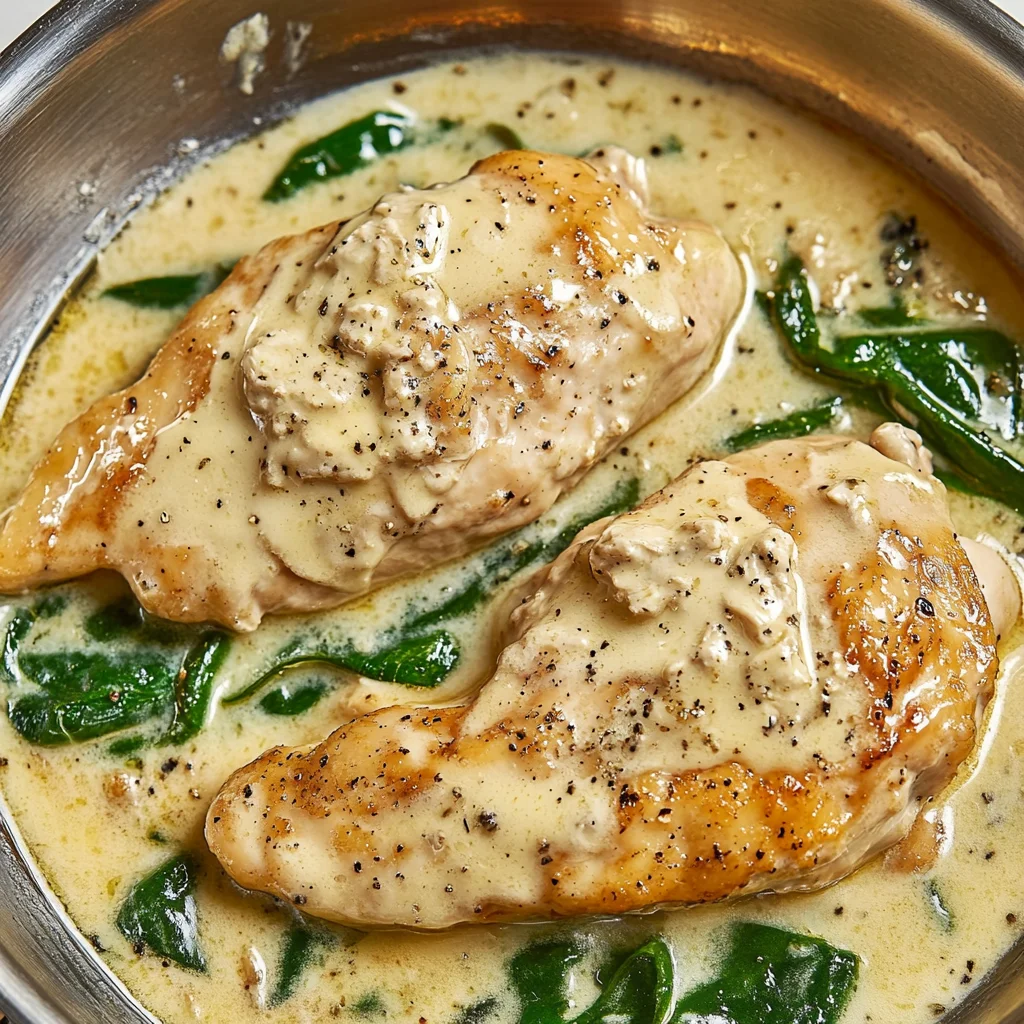
Chicken Florentine
Ingredients
Method
- Season the chicken breasts with salt, pepper, and Italian seasoning.
- Heat olive oil in a skillet over medium heat.
- Add the chicken breasts and cook for about 6-7 minutes on each side, or until cooked through. Remove from skillet and set aside.
- In the same skillet, add chopped onion and garlic. Sauté until the onion is translucent.
- Add the spinach and cook until wilted.
- Pour in the heavy cream and bring to a simmer.
- Stir in the Parmesan cheese until melted and smooth.
- Return the chicken to the skillet and coat with the sauce.
- Serve hot, garnished with additional Parmesan cheese.