I first fell in love with butternut squash soup during a chilly autumn evening at a cozy little café tucked away in my neighborhood. The creamy, velvety texture and the warm spices wrapped around me like a hug, instantly comforting my soul. I knew I had to recreate that magic at home, especially when I realized how pricey those café visits were getting! Plus, I mean, how hard could it be to whip up a bowl of pure comfort? Spoiler: I was about to find out.
After what felt like an endless series of culinary experiments—I’m talking upwards of five attempts—I finally nailed my version of Butternut Squash Soup. Each round had its own set of challenges: too thin, too bland, or maybe just not quite right on the spice front. Let’s just say there were some soup disasters that made my kitchen look like a pumpkin patch exploded! But with each attempt, I got closer to that creamy perfection that danced on my taste buds.
And oh boy, was it worth every minute spent! My final recipe is a symphony of roasted butternut squash mingling with sweet onions and aromatic spices, creating a luxurious bowl that’s rich yet somehow light. It’s the kind of soup that wraps you in warmth, boasting a silky texture and flavors that are nothing short of heavenly. So grab your immersion blender (or just your trusty pot) and join me in making this delightful Butternut Squash Soup—I promise it’ll be the highlight of your chilly days!
These Butternut Squash Soup are….
….the ultimate cozy companion for chilly days!
1. They deliver a sweet, earthy flavor that warms the soul, thanks to the caramelization of roasted butternut squash and onions. This roasting process enhances their natural sugars, creating a delightful depth that elevates the overall taste of the soup.
2. Incredibly smooth texture – each spoonful is creamy and velvety, thanks to the addition of coconut milk and perfectly cooked vegetables. The butternut squash’s inherent creaminess contributes to this luxurious mouthfeel, making it feel indulgent without being heavy.
3. The roasting technique transforms the vegetables into a sweet, flavorful base that sets this soup apart from ordinary versions. By roasting the squash, onion, garlic, and carrot before blending, I found that it maximizes both richness and flavor intensity in every bowl.
4. Budget-friendly and accessible – this Butternut Squash Soup is easy on your wallet while delivering gourmet taste at home. With simple ingredients like a medium squash and everyday veggies, you can whip up a large batch that’s perfect for meal prep or sharing with friends.
PS This recipe yields about six servings! Perfect for freezing or enjoying throughout the week when you need something warm and comforting.
Ingredients for the Butternut Squash Soup
Each ingredient in this dish plays an essential role in flavor and texture. Here’s what you’ll need:
- 1 medium butternut squash (peeled, seeded, and cubed): Provides a sweet and creamy base for the soup.
- 1 medium onion (chopped): Adds depth and savory sweetness to the flavor profile.
- 2 cloves garlic (minced): Infuses the soup with aromatic richness.
- 1 medium carrot (chopped): Contributes natural sweetness and a hint of earthiness.
- 1 stalk celery (chopped): Enhances the overall flavor with a subtle crunch.
- 4 cups vegetable broth: Serves as the flavorful liquid foundation of the soup.
- 1 cup coconut milk: Delivers creaminess and a touch of tropical sweetness.
- 1 teaspoon ground cumin: Introduces warm, earthy notes that elevate the dish.
- 1 teaspoon ground cinnamon: Adds a comforting warmth and a hint of spice.
- 1 teaspoon salt (to taste): Balances flavors and enhances overall taste.
- 1/2 teaspoon black pepper (to taste): Provides a mild kick that complements the sweetness.
- 2 tablespoons pumpkin seeds (toasted): Offers a delightful crunch and nutty flavor as a garnish.
- 2 tablespoons fresh cilantro (chopped): Brightens the soup with fresh herbal notes.
You Must Roast the Butternut Squash. No Exceptions!
I’ll be honest — I tried to skip this step, hoping the soup would still turn out delicious without it. Spoiler alert: it didn’t! The difference was so stark that I had to admit defeat and embrace the roasting. Trust me, your taste buds will thank you for spending that little extra time!
Roasting the butternut squash is essential because it caramelizes the natural sugars in the vegetable, intensifying its sweetness and adding a depth of flavor you simply can’t replicate with just boiling or steaming. Think of roasted squash as nature’s candy; when you roast it, you unlock a whole new level of deliciousness that elevates your soup from good to wow!
What does roasting do?
- Flavor — Roasting brings out an incredible sweetness that enhances the overall taste of the soup, making each spoonful rich and satisfying.
- Texture — The caramelization process creates a velvety texture that blends beautifully into the soup, as opposed to a watery consistency if boiled.
- Color — Roasted squash develops a lovely golden hue that adds visual appeal, making your final dish not only tasty but also beautiful.
- Aroma — The roasting process releases enticing aromas that fill your kitchen and excite your appetite long before you take a bite.
- Nutritional Value — Roasting can help retain nutrients better than boiling since it requires less water and cooking time, ensuring you get all those healthy benefits from the butternut squash.
Different roasting times
- 15 minutes (okay) — The squash will be soft but lacks that caramelized flavor; not bad but definitely not what we’re aiming for!
- 25 minutes (good) — A nice balance of tenderness and some caramelization starts to develop; better, but still could use more time.
- 30 minutes (great) — This is where things get serious! The squash is tender with perfectly caramelized edges and maximum flavor.
- 35+ minutes (excellent) — While it’s hard to over-roast at this point, be cautious as it can start to dry out; ideally suited for those who love a deeper roasted flavor.
Don’t even think about skipping the roasting! The most common mistake I see is people trying to rush through this step or using raw squash in their soups. This shortcut will leave you with a bland, flat-tasting soup that no amount of spices can save. Trust me on this one!
How to make Butternut Squash Soup

Are you ready to see how straightforward it is to make the Butternut Squash Soup of your dreams??
1. ROAST THE SQUASH
First up, we need to bring out the natural sweetness of the butternut squash.
1. Preheat – Preheat the oven to 400°F (200°C). This ensures that your squash roasts evenly and develops a delicious caramelization.
2. Prepare – Spread the cubed butternut squash on a baking sheet in a single layer. Drizzle with olive oil and season generously with salt and pepper. The oil helps in roasting while adding flavor.
3. Roast – Place the baking sheet in the oven and roast for 25-30 minutes, or until the squash is tender and slightly golden around the edges. You’ll know it’s ready when a fork easily pierces through!
HANDY TIPS
- For best results, cut your butternut squash into uniform cubes so they cook evenly.
- If you’re short on time, you can buy pre-cut butternut squash from your grocery store.
2. COOK THE VEGETABLES
Now let’s build that flavor base for our soup!
1. Heat – In a large pot, heat a tablespoon of olive oil over medium heat. This will provide a nice foundation for sautéing your veggies.
2. Sauté – Add the chopped onion, carrot, and celery to the pot. Sauté for about 5 minutes until softened—this step is crucial as it enhances their flavors.
3. Add Garlic – Stir in the minced garlic and cook for another minute until fragrant. Be careful not to let it burn; burnt garlic can add bitterness!
HANDY TIPS
- Feel free to customize this phase by adding other vegetables like leeks or bell peppers for extra depth.
- Stir occasionally to prevent any vegetables from sticking to the bottom of the pot.
3. COMBINE AND SIMMER
Time to mix everything together for that rich soup base!
1. Combine – Add the roasted butternut squash along with 4 cups of vegetable broth to the pot. This broth will infuse all those wonderful flavors.
2. Season – Sprinkle in ground cumin, ground cinnamon, salt, and black pepper, stirring everything together well.
3. Boil & Simmer – Bring this mixture to a boil, then reduce the heat and let it simmer for 15 minutes until slightly thickened. This allows all those spices to meld beautifully.
HANDY TIPS
- Adjust seasoning after simmering if needed—taste it before blending!
- If you’d like a spicier kick, consider adding a pinch of cayenne pepper at this stage.
4. BLEND THE SOUP
Let’s transform our chunky mix into creamy goodness!
1. Blend – Using an immersion blender or carefully transferring to a regular blender, puree the soup until smooth. If using a regular blender, blend in batches if necessary!
2. Stir in Coconut Milk – Once blended, stir in 1 cup of coconut milk until fully incorporated and heat through over low heat.
HANDY TIPS
- For an extra creamy texture, use full-fat coconut milk!
- If you prefer a chunkier soup, blend only half of it and leave some pieces intact.
5. SERVE
It’s finally time to enjoy your delectable creation!
1. Ladle – Pour the soup into bowls and garnish each serving with toasted pumpkin seeds and freshly chopped cilantro for that lovely crunch and freshness.
2. Serve Warm – Enjoy your warm butternut squash soup on a chilly day—it’s perfect comfort food!
Make this once, and I wager they will invade your dreams every night too! – Nagi x
FAQ – Butternut Squash Soup
🥄 How long will this butternut squash soup keep in the fridge?
This soup will stay fresh in the refrigerator for about 4-5 days. After that, its quality starts to diminish; I’d say it’s about 90% as good on day 4 and drops to 75% by day 5. Always store it in an airtight container to maintain flavor and prevent any fridge odors from mingling in. When reheating, stir well and heat thoroughly to bring back that delicious creamy texture!
❄️ Can I freeze butternut squash soup?
Absolutely! This soup freezes beautifully. Let it cool completely before pouring it into a freezer-safe container or a zip-top bag. It can last up to 3 months in the freezer. When you’re ready to enjoy it again, simply thaw it overnight in the fridge or use the defrost setting on your microwave. Reheat gently on the stove and stir in a bit more coconut milk if needed for creaminess.
🌱 Is this butternut squash soup vegan and gluten-free?
Yes! This recipe is both vegan and gluten-free, making it perfect for a variety of dietary needs. The ingredients, including butternut squash, vegetable broth, coconut milk, and spices, are all plant-based and free from gluten. Feel free to enjoy it without worrying about dietary restrictions!
🥕 Can I substitute any ingredients in this recipe?
If you’re looking to mix things up, you can absolutely substitute certain ingredients! Here are some options:
- Coconut milk: You can use almond milk or cashew cream for a different flavor profile, though it won’t be as creamy.
- Vegetable broth: Chicken broth can be used if you’re not concerned about keeping it vegetarian.
- Onion: Leeks or shallots can replace onion for a milder taste.
Just remember that these changes may slightly alter the final flavor of the soup.
🔪 Why do we roast the butternut squash first?
Roasting the butternut squash enhances its natural sweetness and develops deeper flavors through caramelization. The process also helps achieve a creamy texture when blended later on. I’ve tested making this soup with raw squash added directly to the pot, and trust me—it’s just not the same! Roasting gives that rich base flavor that truly elevates the dish.
🕒 Can I skip sautéing the vegetables before adding them to the pot?
Nope! Sautéing is crucial because it softens the vegetables and allows their flavors to meld together before they become part of the soup. If you skip this step, you’ll miss out on that sweet aromatic base that makes this soup so comforting. So yes, please sauté those onions, carrots, and celery; you’ll thank yourself later!
🌶️ How can I customize this butternut squash soup for extra flavor?
There are so many fun ways to add your personal touch! Consider:
- Adding a pinch of nutmeg or ginger for warmth.
- Stirring in some chili flakes for heat.
- Tossing in roasted red peppers for a smoky twist.
Feel free to get creative—this recipe is very forgiving! Just remember not to overpower the delicate sweetness of the squash; balance is key!
Troubleshooting
I will continue to add more to this Troubleshooting section as I start seeing questions coming through from people who have made the recipe.
Troubleshooting tips
“My soup turned out too thick! 😩”
- If you used too much butternut squash or didn’t add enough vegetable broth, the soup can become overly thick. The ratio of liquid to squash is key for achieving that creamy texture.
- Not enough coconut milk can also make your soup too dense, especially if you’re relying solely on the broth for creaminess. Remember, the coconut milk contributes significantly to the final consistency!
- Don’t worry, a little extra broth or water can fix it right up while still tasting fabulous!
“My butternut squash isn’t blending smoothly! 😟”
- This might happen if the squash was undercooked. Ensure that it’s roasted until fork-tender; if it’s firm, your blender will struggle to achieve that silky texture.
- Also, not allowing the roasted squash to cool slightly before blending can lead to uneven results. The heat can create steam and make it harder to blend smoothly.
- No biggie! Just give it another whirl in the blender or add a splash more coconut milk for good measure!
“Why did my soup come out so pale? 🤔”
- If you didn’t roast your butternut squash long enough or at a high enough temperature, it may lack the beautiful caramelization that adds depth of flavor and color.
- Additionally, skipping spices like cumin and cinnamon, or not using them generously enough could result in a less vibrant appearance.
- Even if it’s not as visually striking, I bet it still tastes delicious!
“My soup is way too salty! 😱”
- Using a store-bought vegetable broth that’s high in sodium without adjusting the salt levels in your recipe can easily lead to an overly salty soup. Always taste your broth first!
- Adding salt during different stages without tasting each time may lead you to oversalt. It’s always best to start with less and add more as needed!
- No worries though—mixing in some extra coconut milk can help balance out those flavors!
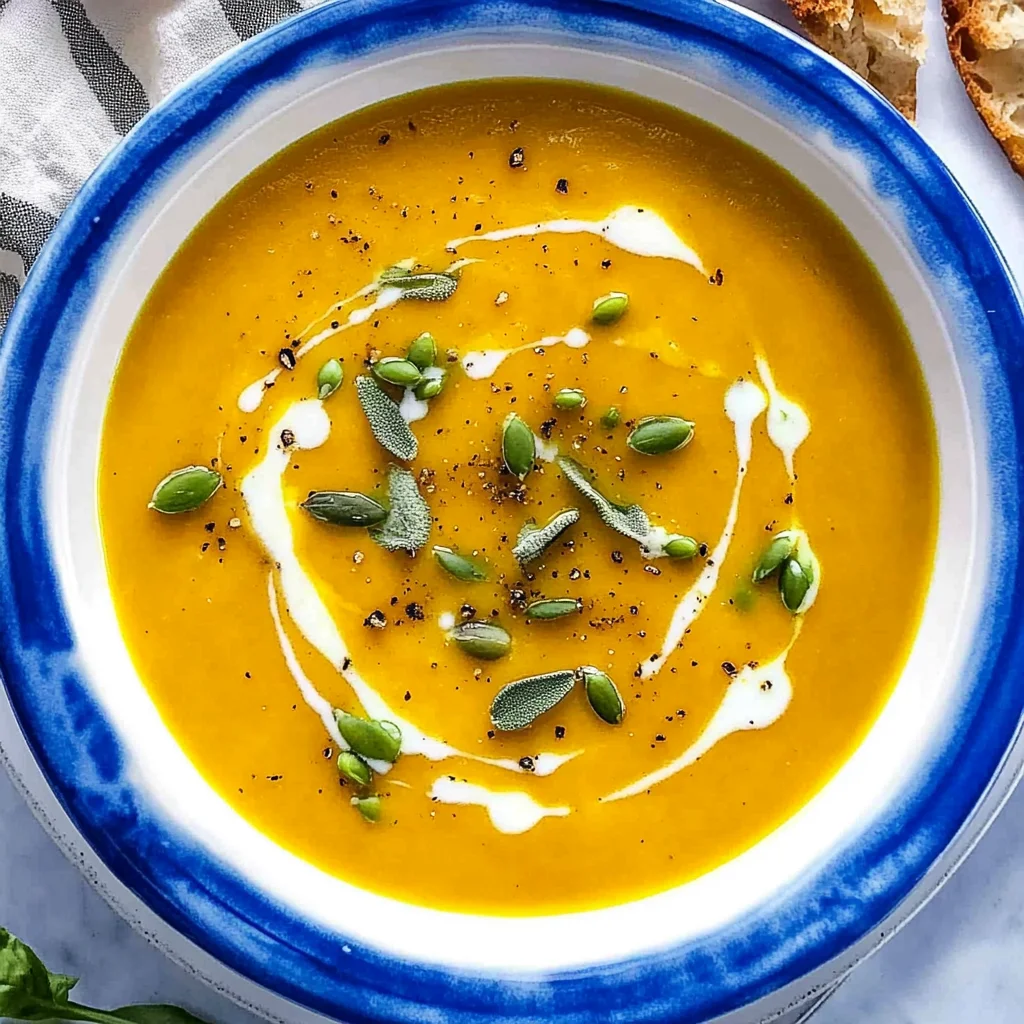
Butternut Squash Soup
Ingredients
Method
- Preheat the oven to 400°F (200°C). Spread the cubed butternut squash on a baking sheet, drizzle with olive oil, and season with salt and pepper. Roast for 25-30 minutes until tender.
- In a large pot, heat a tablespoon of olive oil over medium heat. Add the chopped onion, carrot, and celery. Sauté for about 5 minutes until softened. Add the minced garlic and cook for another minute.
- Add the roasted butternut squash, vegetable broth, ground cumin, ground cinnamon, salt, and pepper to the pot. Bring to a boil, then reduce heat and let it simmer for 15 minutes.
- Using an immersion blender or a regular blender, puree the soup until smooth. Stir in the coconut milk and heat through.
- Ladle the soup into bowls and garnish with toasted pumpkin seeds and chopped cilantro. Serve warm.