I first stumbled upon the idea of Balsamic–Glazed Pork Tenderloin during a dinner at this charming little bistro that had the most mouthwatering menu. The moment I tasted their version, I was hooked—the tender meat practically melted in my mouth, all thanks to that rich balsamic reduction that danced on my taste buds. I knew I had to recreate this dish at home, not just to save a few bucks (because let’s be honest, it wasn’t cheap), but also because I wanted to put my own twist on it and make it even better.
After numerous attempts—let’s just say I could probably have fed a small army with all the less-than-stellar results—I finally nailed this recipe. It took me about five tries to get the balance of sweet and tangy just right, and trust me, there were some kitchen disasters along the way! Each iteration was a lesson learned; I experimented with different cooking times and methods, tweaking ingredients until I could proudly say I had perfected my take on Balsamic–Glazed Pork Tenderloin.
And oh boy, was it worth it! The final result is a succulent pork tenderloin glazed with a rich balsamic reduction that’s perfect for any savory dinner. Each bite is an explosion of flavor with a beautiful caramelized crust that contrasts perfectly with the juicy interior. You’re going to want to make this dish again and again—trust me, your taste buds will thank you! So roll up those sleeves and let’s get cooking; you won’t regret giving this recipe a go!
These Balsamic–Glazed Pork Tenderloin are….
….the ultimate showstopper for your dinner table!
1. They deliver an incredible depth of flavor that is simply irresistible, thanks to the combination of aged balsamic vinegar and honey. This blend creates a beautifully balanced sweetness with tangy notes that envelop the pork, making each bite a delightful experience.
2. Melt-in-your-mouth tenderness is a hallmark of this dish, achieved through the careful searing and slow roasting of the pork tenderloin. The result is a succulent piece of meat that remains juicy and soft, allowing you to savor every forkful without any chewiness or dryness.
3. The balsamic reduction technique elevates this recipe beyond ordinary glazed meats. By simmering the balsamic vinegar and honey together until thickened, you create a glossy glaze that clings beautifully to the tenderloin, infusing it with rich flavor while adding an appealing shine to the dish.
4. This recipe offers fantastic value, as it uses just one pound of pork tenderloin to serve multiple people without breaking the bank. Compared to dining out, making Balsamic–Glazed Pork Tenderloin at home not only saves money but also allows you to enjoy a gourmet meal in your own kitchen.
PS You’ll want to use a good quality balsamic vinegar for this recipe; it truly makes a difference in flavor and glaze consistency!
Ingredients for the Balsamic–Glazed Pork Tenderloin
Each ingredient in this dish plays an essential role in flavor and texture. Here’s what you’ll need:
1 lb pork tenderloin (trimmed of silver skin): This is the main protein, providing tenderness and rich flavor.
1/2 cup balsamic vinegar (preferably aged): Adds a deep, tangy sweetness that enhances the glaze.
1/4 cup honey: Balances the acidity of the balsamic with a touch of natural sweetness.
1 clove garlic (minced): Infuses the dish with aromatic depth and savory richness.
1 teaspoon fresh thyme (or 1/2 tsp dried): Contributes a subtle earthiness that complements the pork beautifully.
1 teaspoon salt (to taste): Enhances all the flavors and brings out the natural taste of the pork.
1/2 teaspoon black pepper (to taste): Adds a hint of warmth and spice to round out the dish.
2 tablespoons olive oil (for searing): Provides a rich base for browning the pork, creating a delicious crust.
You MUST Reduce the Balsamic Glaze. No shortcuts!
I’ll be honest—I tried to take a shortcut with this balsamic glaze, thinking I could skip the reduction and still end up with something delicious. Spoiler alert: I was wrong. What I ended up with was a thin, lackluster sauce that did my beautiful pork tenderloin a disservice. So trust me when I say, don’t even think about skipping this step; it’s the key to elevating your dish!
Reducing the balsamic glaze is essential because it concentrates the flavors and thickens the sauce, creating that rich, sticky texture that clings beautifully to the pork. Think of it like making a good pizza: if you just throw on fresh tomatoes without simmering them down into a flavorful sauce, you’ll end up with soggy crust and bland toppings. The same goes for our pork tenderloin—without this technique, your dish will miss out on the deep, sweet-tart flavor that makes each bite irresistible.
What does reducing the balsamic glaze do?
- Flavor Concentration — Reducing intensifies the sweet-tart notes of balsamic vinegar and honey, creating a more complex flavor profile that enhances the pork.
- Sticky Texture — A thicker glaze adheres better to the pork tenderloin, giving it a beautiful finish and ensuring every slice is coated in flavor.
- Caramelization — The reduction process develops caramelized notes that add depth and richness to both the glaze and the meat.
- Balanced Sweetness — As water evaporates, the honey’s sweetness becomes more pronounced but balanced by the acidity of the vinegar, elevating overall taste.
- Visual Appeal — A thicker glaze provides an eye-catching shine on the pork tenderloin, making it look as good as it tastes.
Different reduction times
- 5 minutes (good) — The glaze starts thickening but is still quite runny; some flavor concentration occurs but lacks depth.
- 10 minutes (better) — Achieves a syrupy consistency that clings nicely to the pork; flavors are richer but can still improve.
- 15 minutes (best) — Perfectly thickened and deeply flavored; ideal for drizzling generously over your pork tenderloin.
- 20 minutes or more (risk!) — While you may get an incredibly rich glaze, there’s a chance of burning or becoming overly thick. Keep an eye on it!
When making this balsamic glaze, be cautious not to cut corners or rush through reducing it. The most common mistake is not allowing enough time for reduction—resulting in a watery sauce that won’t cling properly or give you that beautiful finish on your pork. Don’t let all your hard work go to waste!
How to make Balsamic–Glazed Pork Tenderloin
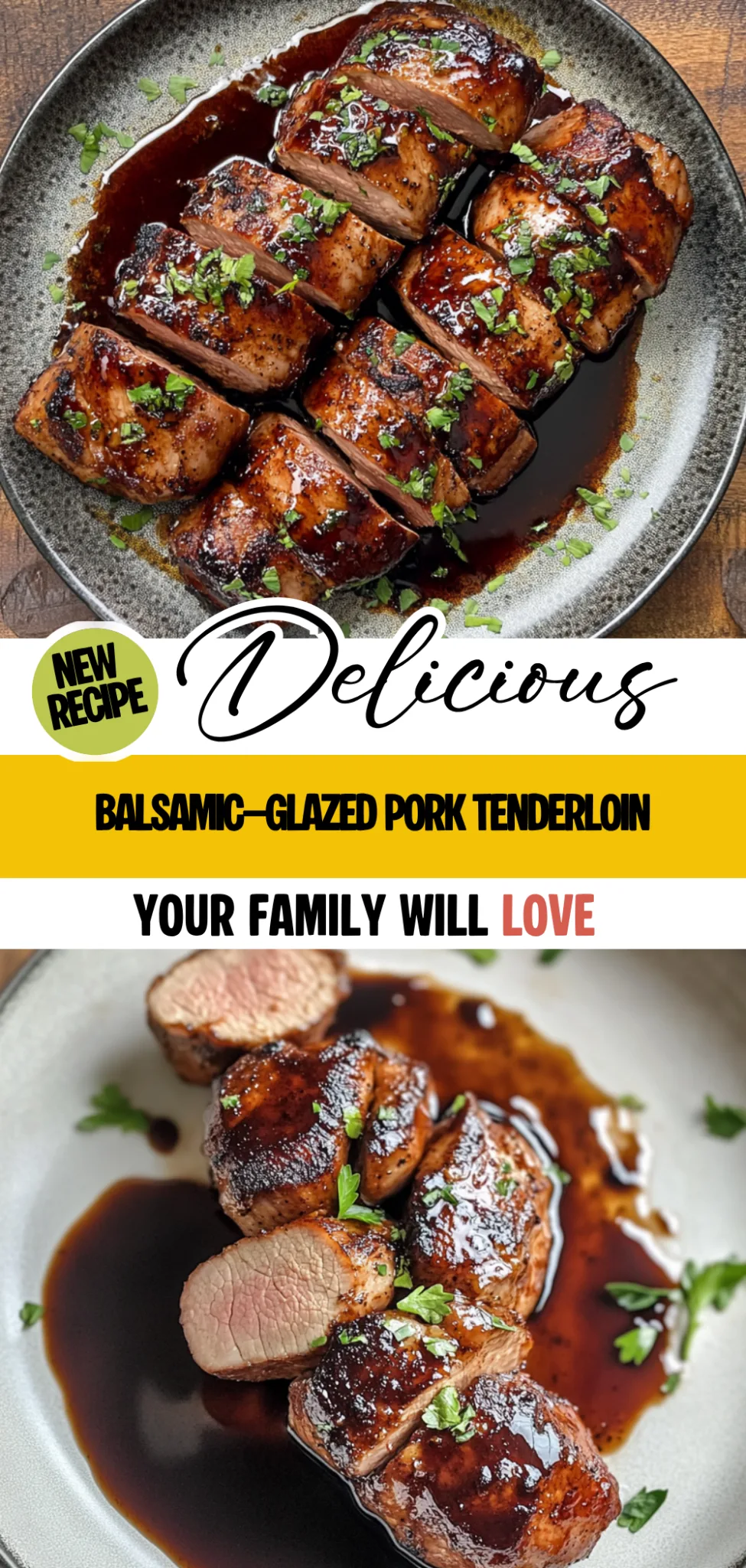
Are you ready to see how straightforward it is to make the Balsamic–Glazed Pork Tenderloin of your dreams??
1. PREPARE THE BALSAMIC GLAZE
The rich balsamic glaze is what makes this dish truly shine!
1. COMBINE – In a small saucepan, combine the balsamic vinegar, honey, minced garlic, and thyme. Bring the mixture to a simmer over medium heat. This process helps to meld the flavors together beautifully.
2. REDUCE – Reduce the heat and let it simmer for about 10 minutes until thickened. You want it to coat the back of a spoon when it’s ready; this means those delicious flavors are concentrated. Set aside.
HANDY TIPS
- Use aged balsamic vinegar for a deeper flavor that enhances the glaze.
- Don’t skip on letting it simmer; this step is key for achieving that luscious texture!
2. SEASON AND SEAR THE PORK
Searing locks in juices and creates a beautiful crust!
3. PREHEAT – Preheat your oven to 400°F (200°C). This ensures that your pork will cook evenly once it goes in.
4. SEASON – Generously season the pork tenderloin with salt and black pepper on all sides. This will not only enhance flavor but also help create a nice crust when seared.
5. HEAT – Heat olive oil in a skillet over medium-high heat. Once hot, add the pork and sear on all sides until browned, about 5 minutes total. Look for a golden-brown color; this adds depth to both flavor and presentation.
HANDY TIPS
- Want extra flavor? You can add herbs like rosemary or sage during the searing process!
- Make sure your pan is hot before adding the pork; this helps achieve that perfect sear without sticking.
3. BAKE THE PORK
This step brings it all together with that glorious glaze!
6. TRANSFER – Transfer the seared pork to a baking dish. Brush generously with the balsamic glaze you prepared earlier, ensuring every nook and cranny gets coated.
7. BAKE – Bake in the preheated oven for 20 minutes, or until the internal temperature reaches 145°F (63°C). Use a meat thermometer for accuracy—this guarantees juicy pork every time!
HANDY TIPS
- If you have leftovers, they’re fantastic sliced thinly on sandwiches!
- For an even more intense flavor, baste with extra glaze halfway through baking.
4. REST AND SERVE
Letting it rest ensures juicy slices!
8. REMOVE – Once baked, remove the pork from the oven and let it rest for 5 minutes before slicing. This allows juices to redistribute within the meat.
9. SERVE – Slice into medallions and serve drizzled with additional balsamic glaze on top for an extra kick of flavor!
Aren’t you excited about how simple yet elegant this Balsamic–Glazed Pork Tenderloin turned out? It’s perfect for impressing guests or just enjoying a cozy dinner at home—who knew such flavors could come so easily? Make these once, and I wager they will invade your dreams every night too! – Nagi x
FAQ – Balsamic–Glazed Pork Tenderloin
❄️ How long does leftover balsamic-glazed pork tenderloin last in the fridge?
Leftover balsamic-glazed pork tenderloin can be stored in the fridge for up to 3 to 4 days. After about day 2, I’d say it’s still 90% as good, but by day 4, it drops to around 75% as the flavors begin to dull and the texture can become a bit dry. To keep it fresh, make sure to store it in an airtight container. If you notice any off smells or changes in texture, it’s best to err on the side of caution and throw it out.
⏰ Do I really need to let the pork rest before slicing?
Yes, resting is crucial! I know it’s tempting to dive right in, especially when your kitchen smells amazing. However, letting the pork tenderloin rest for 5 minutes after baking allows the juices to redistribute throughout the meat. If you skip this step, you risk losing all those delicious juices when you slice into it—resulting in a drier piece of meat. Trust me; it’s worth the wait!
❄️ Can I freeze balsamic-glazed pork tenderloin?
Absolutely! You can freeze cooked balsamic-glazed pork tenderloin for up to 3 months. Just make sure to slice it beforehand for easier thawing. Wrap each piece tightly in plastic wrap and then place them in an airtight freezer bag. When you’re ready to enjoy it again, thaw it overnight in the fridge and reheat gently in the oven or microwave until warmed through. Just be aware that freezing may affect the texture slightly, but the flavor will still be fantastic!
🌾 Is this recipe gluten-free?
Yes! This balsamic-glazed pork tenderloin is naturally gluten-free since none of the ingredients contain gluten. Just ensure that your balsamic vinegar is certified gluten-free—some brands may have additives that could contain gluten. If you’re serving this dish with sides like roasted vegetables or rice, they can easily be made gluten-free too—just double-check any sauces or seasonings used.
🔄 Can I substitute honey with something else?
You can definitely substitute honey if needed! For those who prefer a sugar alternative, maple syrup works wonderfully and will give a slightly different but equally delightful flavor profile. If you’re looking for a lower-calorie option, agave nectar is another great choice, though it has a milder taste than honey or maple syrup. Just remember that each substitute may alter the final sweetness level slightly, so taste as you go!
🤔 Why do I need to sear the pork before baking?
Searing is essential because it creates a beautiful crust on the pork tenderloin while enhancing its flavor through caramelization. By browning it on all sides for about 5 minutes, you lock in moisture and add depth to your dish. Plus, who doesn’t love that golden-brown color? It makes everything more appetizing! So don’t skip this step—it’s where all that deliciousness starts!
👩🍳 How many times did you test this recipe before sharing?
I tested this balsamic-glazed pork tenderloin at least six times (yes, I know—I’m a little mad 😅). Each attempt was crucial for perfecting the balance of flavors and ensuring that cooking times were spot on. Trust me; I wanted to get it just right so you could recreate a delightful dinner with confidence!
Troubleshooting
I will continue to add more to this Troubleshooting section as I start seeing questions coming through from people who have made the recipe.
Troubleshooting tips
“My glaze turned out too runny! 😩”
- You might not have simmered the balsamic glaze long enough. It needs to reduce for about 10 minutes to thicken properly; otherwise, it’ll stay too watery.
- If you used a lower-quality balsamic vinegar, its consistency may not be as thick, which can affect the glaze’s texture. High-quality aged balsamic is ideal for a richer reduction.
- I bet the flavor was still incredible though!
“The pork was dry and tough! 😱”
- Overcooking is often the culprit here. If you baked the pork longer than 20 minutes or didn’t check for an internal temperature of 145°F (63°C), it could easily dry out.
- Not letting the pork rest after baking can also lead to dryness, as juices redistribute when resting. Cutting into it too soon means losing all that moisture!
- I bet it was still packed with flavor though!
“My pork tenderloin was unevenly cooked! 🤔”
- If your tenderloin is thicker on one end, it can cook unevenly. Make sure you trim it to an even thickness before searing for more consistent cooking throughout.
- Alternatively, if your oven’s heat isn’t calibrated correctly, it might bake unevenly. Always check with an oven thermometer if you’re unsure!
- At least it still tasted delicious, right?
“The outside of my tenderloin got too dark! 🔥”
- Searing at too high of a heat can cause excessive browning or burning on the outside before the inside is fully cooked. Medium-high heat is best for a nice golden color without charring.
- If your pan wasn’t large enough and you overcrowded it during searing, this could also lead to uneven cooking and burning on some parts.
- I’m sure it still had that lovely flavor going on though!
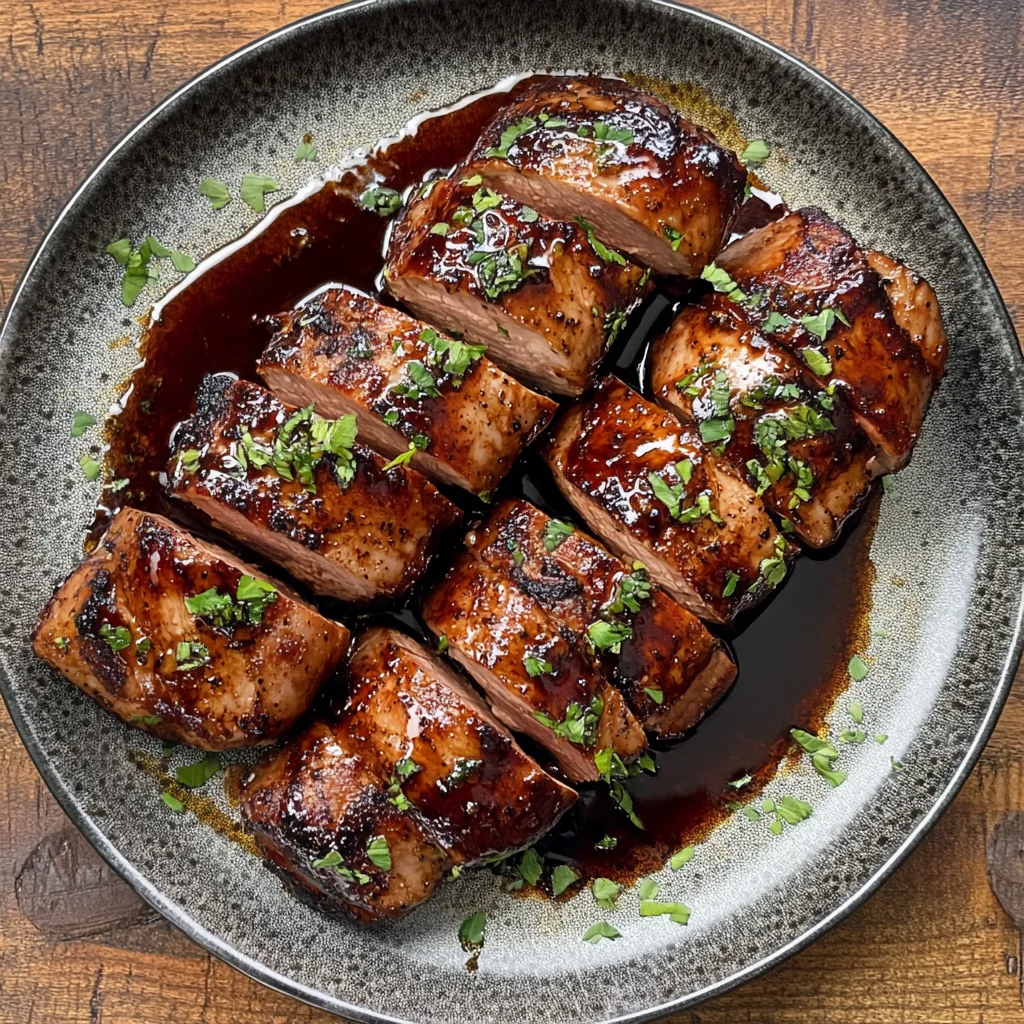
Balsamic–Glazed Pork Tenderloin
Ingredients
Method
- In a small saucepan, combine balsamic vinegar, honey, minced garlic, and thyme. Bring to a simmer over medium heat.
- Reduce heat and let it simmer for about 10 minutes until thickened. Set aside.
- Preheat the oven to 400°F (200°C).
- Season the pork tenderloin with salt and black pepper.
- Heat olive oil in a skillet over medium-high heat. Sear the pork on all sides until browned, about 5 minutes.
- Transfer the seared pork to a baking dish. Brush generously with the balsamic glaze.
- Bake in the preheated oven for 20 minutes, or until the internal temperature reaches 145°F (63°C).
- Remove the pork from the oven and let it rest for 5 minutes before slicing.
- Serve sliced with additional balsamic glaze drizzled on top.