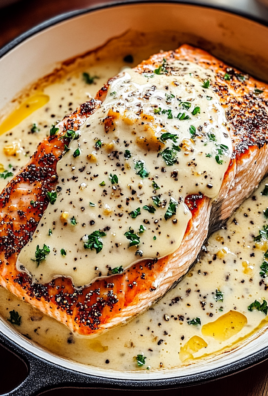
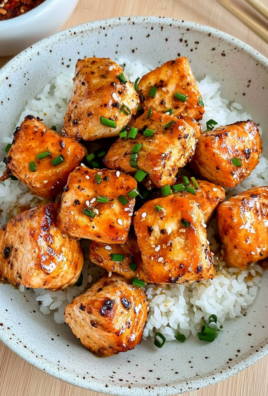
I first stumbled upon the idea for this Salmon Spinach Pasta Dish during a cozy dinner at a quaint little bistro that specialized in fresh, seasonal ingredients. The moment I took my first bite, I was hit with a wave of flavor that made me feel like I was embracing the ocean and the garden all at once. The combination of tender salmon, vibrant spinach, and perfectly cooked pasta danced on my palate, but as I glanced at the menu prices, I thought, “I can totally make this at home for a fraction of the cost!” So, armed with inspiration and a bit of determination, I set out to recreate this delightful dish in my own kitchen.
Let me tell you, perfecting this recipe was no walk in the park. It took me a solid five attempts before I finally got it just right — and let’s just say my family had their fair share of overly dry salmon and mushy pasta during those trials! Each round taught me something new; whether it was finding the ideal cooking time for the salmon or balancing the creaminess of the sauce without drowning out those fresh flavors. There were definitely moments when I questioned my culinary skills (and sanity), but every misstep brought me closer to that perfect bite.
And oh boy, was it worth every bit of trial and error! The final result is nothing short of spectacular — think luscious, flaky salmon nestled among al dente pasta and bright green spinach, all enveloped in a light yet creamy sauce that just sings with flavor. It’s not only delicious but also incredibly nutritious, making it the perfect meal for any day of the week. Trust me when I say you’ll want to dive into this Salmon Spinach Pasta Dish: A Delicious and Nutritious Recipe to Try Today — it’s a dish that truly delivers on taste and satisfaction!
These Salmon Spinach Pasta Dish are….
…a delightful combination of flavors and textures that will make your taste buds dance with joy!
1. They deliver an incredible depth of flavor thanks to the harmonious blend of garlic, onion, and fresh spinach. This flavor profile not only enhances the taste but also complements the richness of the salmon, creating a balanced dish that’s both satisfying and nutritious.
2. Expect a perfectly creamy texture that envelops each strand of pasta, making every bite luxurious. The heavy cream combined with chicken broth creates a velvety sauce that clings beautifully to the spaghetti, ensuring each mouthful is rich and indulgent.
3. Simple yet effective cooking techniques elevate this dish beyond the ordinary. Searing the salmon before adding it to the sauce not only locks in moisture but also gives it a lovely golden crust, enhancing its natural flavor while allowing for quick assembly once everything is prepped.
4. This recipe offers outstanding value, combining high-quality ingredients without breaking the bank. With just 12 oz of pasta and a pound of skinless salmon, you can create a stunning meal that rivals any restaurant dish, all while being easy to prepare in your own kitchen.
PS This Salmon Spinach Pasta Dish yields enough to serve 4 generous portions, making it perfect for family dinners or meal prep for the week ahead!
Ingredients for the Salmon Spinach Pasta Dish
Each ingredient in this dish plays an essential role in flavor and texture. Here’s what you’ll need:
12 oz spaghetti (or any pasta of choice): Serves as the hearty base to hold all the delightful flavors.
1 lb salmon fillet (skinless): Provides rich, buttery flavor and a tender, flaky texture.
4 cups fresh spinach (washed and chopped): Adds a pop of color and a nutritious boost.
2 cloves garlic (minced): Infuses the dish with aromatic depth and warmth.
1 medium onion (diced): Contributes sweetness and a savory foundation to the sauce.
1 cup heavy cream (or half-and-half): Creates a luscious, creamy sauce that envelops the pasta.
1 cup chicken broth (low sodium): Enhances overall flavor while keeping the dish balanced and light.
1 tbsp olive oil: Offers richness and helps sauté the vegetables perfectly.
1 tbsp lemon juice (freshly squeezed): Brightens the flavors with a zesty freshness.
1 tsp dried dill (or fresh if available): Introduces an herbaceous note that complements the salmon beautifully.
1 tsp salt (to taste): Elevates all the flavors for a well-rounded taste experience.
1 tsp black pepper (to taste): Adds subtle heat and enhances the overall flavor profile.
You Must Cook the Pasta Until Al Dente. Trust Me!
I know, I know — cooking pasta seems pretty straightforward, right? But believe me, I tried to take a shortcut and ended up with a mushy mess that even my cat wouldn’t touch! It turns out that achieving that perfect al dente texture is non-negotiable for this Salmon Spinach Pasta Dish, and I learned this the hard way.
Cooking pasta until al dente means it’s firm to the bite, creating a delightful contrast with the creamy sauce and tender salmon. Think of it like building a sandwich: if you use soggy bread, your masterpiece crumbles. The same goes for pasta! Overcooked spaghetti will turn into a gooey mess that clings together instead of beautifully coating the salmon and spinach.
What does cooking pasta until al dente do?
- Texture — Al dente pasta has a satisfying bite, providing structure to balance the creamy sauce.
- Flavor absorption — Firm pasta absorbs flavors better from the sauce without becoming waterlogged.
- Presentation — Perfectly cooked spaghetti looks appealing on the plate and helps maintain its shape.
- Sauce cling — Al dente pasta allows sauces to adhere better, ensuring each strand is coated in that luscious creaminess.
- Digestibility — Cooking it just right can help with digestion compared to overly soft pasta.
Different cooking times
- 3 minutes under (good) — The pasta is slightly too firm and may not absorb sauce well; still edible but not ideal.
- ⭐️ 1 minute under ⭐️ — Noticeably firmer texture, it holds up better in the dish but lacks full flavor integration.
- ⭐️ Al Dente (best) ⭐️ — The golden standard! Perfect bite, great flavor absorption, and stunning presentation.
- 1 minute over (okay) — Slightly softer; still enjoyable but loses some structure, making it less appealing visually.
- 2 minutes over (not good) — Definitely mushy; won’t hold its shape and will clump together in the sauce.
Beware of overcooking your pasta! The most common mistake is thinking that just because it’s hot and soft, it’s ready to go. If you let it cook too long, you’ll end up with a sad clump instead of deliciously distinct strands that elevate your Salmon Spinach Pasta Dish. Trust me; I’ve been there!
How to make Salmon Spinach Pasta Dish

Are you ready to see how straightforward it is to make the Salmon Spinach Pasta Dish of your dreams??
1. COOK THE PASTA
First up, let’s get that pasta perfectly al dente!
1. BOIL – Bring a large pot of salted water to a rolling boil. Once boiling, add the spaghetti and cook according to the package instructions until al dente, which typically takes around 8-10 minutes. The pasta should be tender but still have a slight bite when you taste it.
2. RESERVE AND DRAIN – Before draining, reserve 1 cup of the pasta water; this starchy liquid will help adjust your sauce later. Drain the pasta in a colander and set aside.
HANDY TIPS
- If you’re using a different type of pasta, adjust the cooking time as needed — just keep an eye on it!
- Don’t forget to salt your water! It enhances the flavor of the pasta itself.
2. PREPARE THE SALMON
Now, let’s focus on that succulent salmon!
3. HEAT – In a skillet, heat 1 tablespoon of olive oil over medium heat. You want it hot enough that it shimmers but not smoking.
4. SEASON AND COOK – Season the skinless salmon fillet with salt and pepper on both sides. Place it gently in the skillet and cook for about 4-5 minutes on each side or until it flakes easily with a fork — look for that lovely golden color! Once done, remove from skillet and set aside for later.
HANDY TIPS
- For an extra touch, squeeze a bit of lemon juice over the salmon while cooking for added flavor!
- If you’re unsure if it’s cooked through, use a fork; if it flakes easily, it’s ready!
3. MAKE THE SAUCE
Let’s create a creamy sauce that brings everything together!
5. SAUTÉ – In the same skillet (to absorb all those delicious flavors), add diced onion and minced garlic. Sauté until the onion becomes translucent and fragrant; this should take about 2-3 minutes.
6. SIMMER AND THICKEN – Pour in your low sodium chicken broth and bring it to a simmer. Stir in 1 cup of heavy cream, lemon juice, and dried dill. Cook for an additional 2-3 minutes until slightly thickened — keep an eye on it for that perfect creamy consistency!
HANDY TIPS
- If you want even more depth, consider adding a splash of white wine when simmering!
- Using low sodium broth helps control the overall saltiness of your dish.
4. COMBINE INGREDIENTS
Time to bring all these beautiful components together!
7. TOSS IN – Add your drained spaghetti and chopped spinach into the skillet with the sauce. Toss everything together gently until well combined and continue cooking until the spinach wilts down — this usually takes about 2 minutes.
8. FLAKE AND FOLD – Flake the cooked salmon into bite-sized pieces and gently fold it into your pasta mixture without breaking it up too much. If you find your sauce is too thick at any point, add some reserved pasta water gradually until you reach your desired consistency.
9. SERVE – Serve immediately while hot, garnished with additional dill if desired — it’s irresistible!
HANDY TIPS
- Feel free to customize this dish by adding other vegetables like cherry tomatoes or zucchini for extra nutrition!
- For an added crunch, top with toasted pine nuts or walnuts right before serving.
What a delightful creation you’ve made! This Salmon Spinach Pasta Dish is not only quick but loaded with flavors that will impress anyone at your dinner table! Make these once, and I wager they will invade your dreams every night too! – Nagi x
FAQ – Salmon Spinach Pasta Dish
🍝 How long will leftovers keep in the fridge?
Leftovers of this Salmon Spinach Pasta Dish can be stored in an airtight container in the refrigerator for up to 3 days. After that, the quality starts to decline significantly—about 80% as good on day 4 and 60% on day 5. I recommend reheating only what you plan to eat to maintain freshness, as repeated heating can alter both texture and flavor.
⏳ Can I skip cooking the pasta al dente?
No, you can’t skip this step! Cooking the pasta al dente is crucial because it helps prevent it from becoming mushy when combined with the sauce. Overcooked pasta will absorb too much sauce and lose its delightful texture. Trust me, I’ve made this mistake before—nobody wants a soggy dinner! Aim for that perfect slight bite—it’s worth it.
❄️ Can I freeze this dish for later?
Yes, you can freeze this Salmon Spinach Pasta Dish! However, I recommend freezing only the pasta and sauce without the salmon added. To do so:
- Allow the dish to cool completely.
- Transfer it to a freezer-safe container or bag.
- It will last up to 2 months in the freezer.
To reheat, thaw in the fridge overnight and then warm slowly on the stove, adding fresh spinach and cooked salmon just before serving for best results.
🌱 Can I make this dish dairy-free?
Absolutely! To make it dairy-free, you can substitute the heavy cream with full-fat coconut milk or a dairy-free cream alternative. For a lighter option, use unsweetened almond milk thickened with cornstarch or arrowroot powder. The flavor will differ slightly but still yield a creamy texture. Just be cautious with salt levels since some dairy-free creams can be saltier than traditional options!
🐟 What if I want to use a different fish instead of salmon?
If you’re looking to swap out salmon, several alternatives can work well in this dish:
- Trout: Similar flavor profile and cooks quickly.
- Tilapia: A milder taste that absorbs flavors beautifully.
- Shrimp: Cook them until pink and tender; they add a lovely twist!
Just remember that cooking times may vary based on your chosen protein—always ensure it’s cooked through but not overdone!
🔪 Why do we reserve pasta water during cooking?
Reserving pasta water is essential because it contains starch that helps thicken your sauce while also enhancing its clinginess to the pasta. Adding a splash of this starchy water can help adjust the sauce consistency if it becomes too thick after combining with the pasta. It’s one of those little tricks I’ve learned that makes a big difference!
🎉 Can I add more vegetables to this recipe?
Definitely! This dish is versatile when it comes to vegetables. You can add:
- Cherry tomatoes: They add sweetness; toss them in just before adding spinach.
- Zucchini or bell peppers: Sauté alongside onions and garlic for extra crunch.
- Mushrooms: They bring an earthy flavor; cook them down until golden before adding liquids.
Feel free to get creative—just remember to adjust cooking times based on what you choose!
Troubleshooting
I will continue to add more to this Troubleshooting section as I start seeing questions coming through from people who have made the recipe.
Troubleshooting tips
“My pasta turned out too mushy! 😩”
- You may have overcooked the spaghetti. Cooking pasta for too long can cause it to become soft and lose its al dente texture.
- Not stirring the pasta while cooking can also lead to uneven cooking, resulting in some strands being mushier than others.
I bet it was still YUM though!
“The sauce is way too thick! 😱”
- If you didn’t reserve enough pasta water or added too much cream, that might be why your sauce is thicker than expected. Pasta water helps to thin out the sauce perfectly.
- Cooking the sauce for too long without adding liquid can also cause it to become overly thick.
I bet it was still YUM though!
“My salmon came out dry and overcooked!”
- If you cooked the salmon for longer than 4-5 minutes per side on medium heat, it might have lost moisture and tenderness, resulting in dryness.
- Using a higher heat setting than recommended can also cook the salmon too quickly, leading to an overdone exterior before it’s fully cooked through.
I bet it was still YUM though!
“The spinach didn’t wilt properly! 😩”
- Adding the spinach too late or not cooking it for long enough could be why it remained firm instead of wilting nicely in the pasta dish. Spinach wilts quickly, usually within just a minute or two of cooking.
- If you didn’t chop the spinach leaves into smaller pieces, they may take longer to cook down and integrate with the other ingredients.
I bet it was still YUM though!
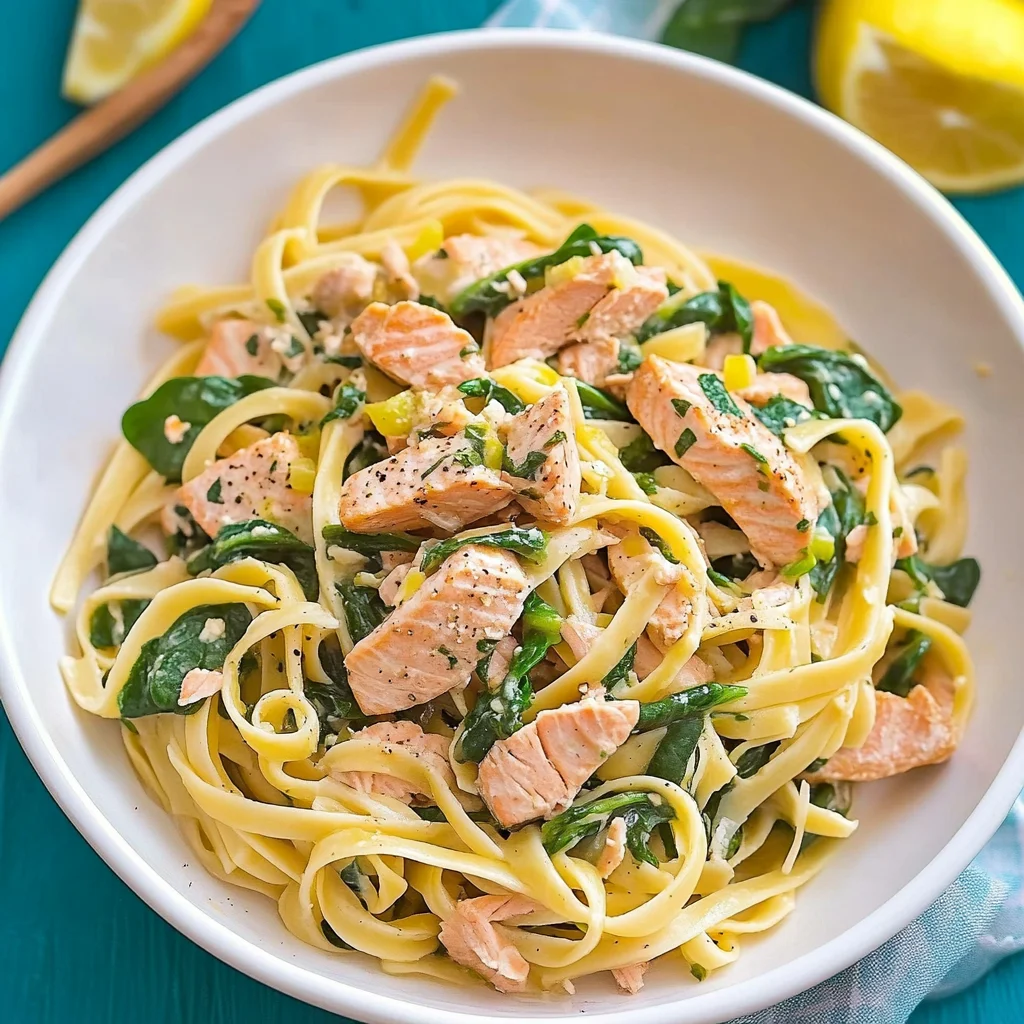
Salmon Spinach Pasta Dish
Ingredients
Method
- Bring a large pot of salted water to a boil. Add the spaghetti and cook according to package instructions until al dente.
- Reserve 1 cup of pasta water, then drain the pasta in a colander.
- In a skillet, heat olive oil over medium heat. Season the salmon fillet with salt and pepper.
- Cook the salmon for about 4-5 minutes on each side or until it flakes easily with a fork. Remove from skillet and set aside.
- In the same skillet, add diced onion and minced garlic. Sauté until the onion is translucent.
- Pour in the chicken broth and bring to a simmer. Stir in the heavy cream, lemon juice, and dill. Cook for 2-3 minutes until slightly thickened.
- Add the cooked pasta and spinach to the skillet. Toss to combine and cook until the spinach wilts.
- Flake the cooked salmon and gently fold it into the pasta mixture. If the sauce is too thick, add reserved pasta water to reach desired consistency.
- Serve immediately, garnished with additional dill if desired.