I first stumbled upon the idea of Caramelized Onion Pasta during a late-night food binge when I was craving something rich and comforting. I had just returned from a tiny Italian bistro that served the most divine version, where the sweet onions danced beautifully with garlic and a sprinkle of cheese, creating a dish that felt like a warm hug on a plate. I knew I had to recreate it at home—not just for the sheer joy of it, but also because let’s be honest, my wallet could use a break from those pricey takeout nights!
After what felt like an eternity (okay, maybe four or five attempts), I finally nailed down this recipe. Each round was a delicious adventure filled with minor catastrophes—like the time I mistook sugar for salt and ended up with a pasta dish that could’ve doubled as dessert! With each iteration, I aimed to perfect the balance of flavors, get that luscious caramelization just right, and ensure it all came together in a way that would make my taste buds do a happy dance.
And let me tell you, all that effort was totally worth it! The final result is an exquisite bowl of Caramelized Onion Pasta that’s rich and deeply flavorful, with sweet onions melting into perfectly al dente noodles, kissed by garlic and crowned with just the right amount of cheese. It’s everything you want in comfort food—smooth, satisfying, and utterly addictive. So grab your forks and get ready to dig in; trust me, you’ll want to make this again and again!
These Caramelized Onion Pasta are…
….the ultimate comfort food that transforms simple ingredients into a symphony of flavor!
1. They deliver an incredible depth of flavor that comes from the slow caramelization of onions. This process breaks down the natural sugars in the onions, creating a sweet, rich taste that perfectly complements the savory elements in the dish, making every bite an irresistible experience.
2. Expect a luxuriously creamy texture that coats each strand of spaghetti beautifully. The combination of butter and the starchy pasta water creates a silky sauce that clings to the pasta, providing a satisfying mouthfeel that elevates this dish far beyond your average weeknight dinner.
3. The key cooking technique lies in properly caramelizing the onions over low heat, which allows their sweetness to develop without burning. This patience rewards you with perfectly golden-brown onions that add complexity and richness to your Caramelized Onion Pasta, setting it apart from quicker, less flavorful preparations.
4. A fantastic value meal – this recipe uses just a handful of inexpensive ingredients like onions and spaghetti yet delivers restaurant-quality flavors at home. With minimal effort and cost, you can whip up a hearty dish that impresses both yourself and your guests without breaking the bank.
PS These Caramelized Onion Pasta serve about 4 people, making them perfect for cozy family dinners or sharing with friends!
Ingredients for the Caramelized Onion Pasta
Each ingredient in this dish plays an essential role in flavor and texture. Here’s what you’ll need:
12 oz spaghetti (or any pasta of choice): Serves as the hearty base that carries all the delicious flavors.
2 medium yellow onions (sliced): Sweetens the dish through slow caramelization, providing depth and richness.
3 cloves garlic (minced): Adds a fragrant, savory note that enhances the overall flavor profile.
2 tbsp unsalted butter (for caramelizing onions): Helps achieve a rich, buttery sweetness while caramelizing the onions.
2 tbsp olive oil (for caramelizing onions): Provides moisture and aids in achieving a golden color during cooking.
1 tsp salt (to taste): Balances flavors and enhances the natural sweetness of the onions.
1/2 tsp black pepper (to taste): Introduces a subtle warmth and complexity to the dish.
1/2 tsp red pepper flakes (optional): Adds a hint of heat for those who enjoy a little kick.
1 cup Parmesan cheese (grated, for serving): Brings a nutty, savory finish that complements the caramelized onions beautifully.
1/4 cup fresh parsley (chopped, for garnish): Brightens up the dish with fresh color and a burst of herbal flavor.
You Must Caramelize Those Onions. No Shortcuts!
I have a confession: I really wanted to find a shortcut for caramelizing onions. Who wouldn’t want to skip the 20-25 minutes of stirring and waiting? But after several attempts, I realized there’s just no way around it — those golden, sweet, and savory onions are essential to the success of this pasta. Trust me, I tried and failed (many times).
So why is this technique so crucial? Caramelizing onions transforms their sharpness into a sweet, rich flavor that adds depth to your pasta dish. Think of it like roasting vegetables — you’re coaxing out natural sugars through slow cooking. Just like how you wouldn’t rush a good sauce, you can’t rush caramelized onions if you want that deep, glorious flavor to elevate your spaghetti.
What does caramelizing onions do?
- Flavor — The process intensifies the natural sweetness of the onions, creating a complex flavor that enhances the overall dish.
- Texture — Caramelized onions become tender and silky, offering a delightful contrast to the al dente pasta.
- Color — This technique gives the onions a beautiful golden-brown hue, adding visual appeal to your plate.
- Aroma — The smell of slowly cooked onions fills your kitchen with warmth and comfort, setting the stage for an inviting meal.
- Umami Boost — The slow cooking process develops deeper flavors that enhance the umami profile of the entire dish when combined with garlic and Parmesan cheese.
Different caramelization times
- 10 minutes (fair) — Onions are starting to soften but remain mostly raw. You’ll miss out on that sweet flavor.
- 15 minutes (good) — Onions develop some color but lack depth; they’re still not fully caramelized.
- 20-25 minutes (best) — Perfectly caramelized, these onions have achieved that rich flavor and color we crave in this dish.
- Beyond 30 minutes — While they may become darker, there’s a risk of burning; burnt bits will add bitterness instead of sweetness.
Just a heads up! The most common mistake people make is undercooking their onions. Don’t rush this step! If they’re not truly caramelized, you’ll end up with raw-tasting bites in your otherwise delicious pasta. Patience is key!
How to make Caramelized Onion Pasta
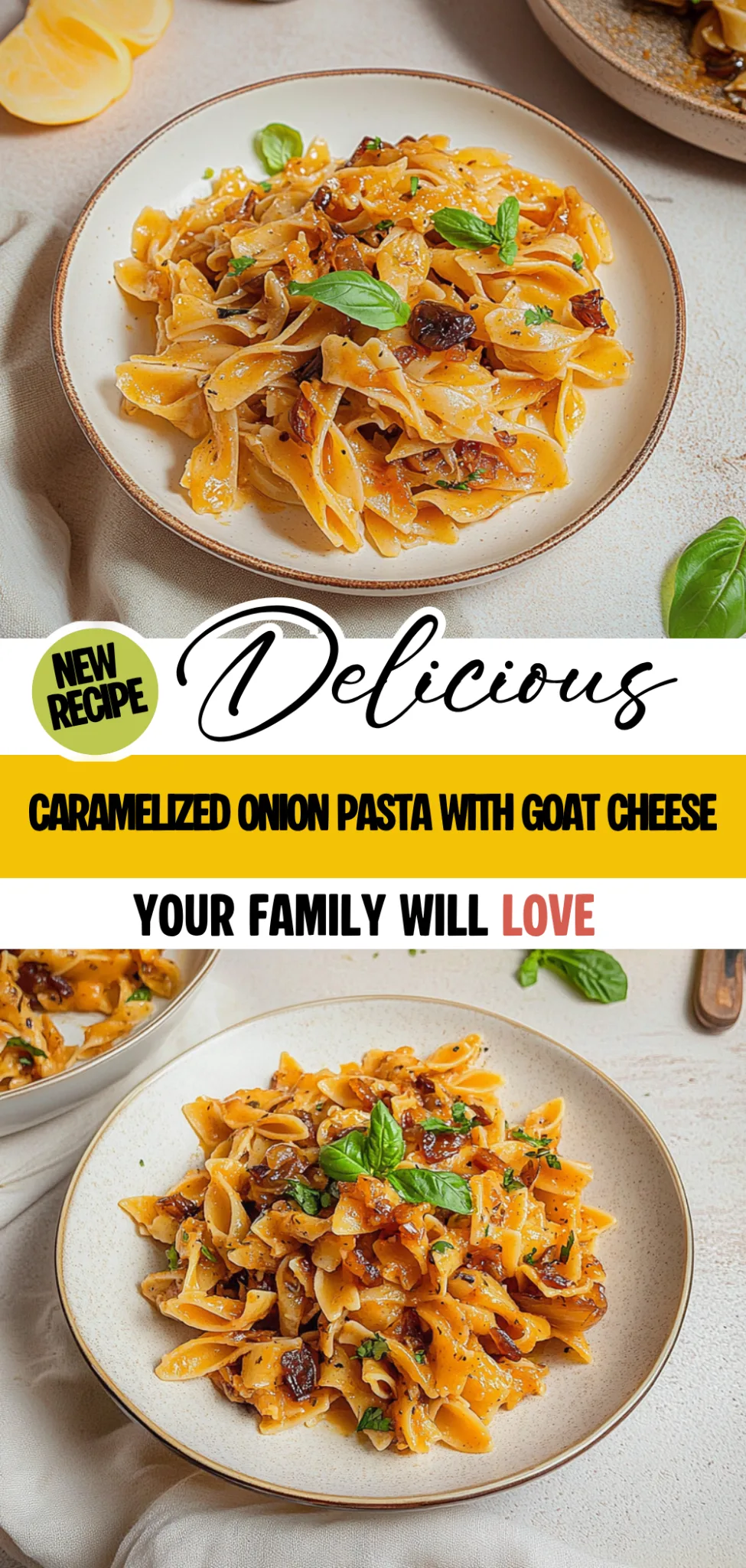
Are you ready to see how straightforward it is to make the Caramelized Onion Pasta of your dreams??
1. COOK THE PASTA
First things first, let’s get that pasta cooking!
BOIL – Bring a large pot of salted water to a boil. This will ensure your spaghetti is flavorful right from the start. Add the spaghetti and cook according to package instructions until al dente, usually around 8-10 minutes depending on the brand. 💡 TIP: Make sure to reserve 1 cup of pasta water before draining; this starchy liquid will help create a silky sauce later!
2. CARAMELIZE THE ONIONS
Now for the sweet goodness that makes this dish shine!
HEAT – In a large skillet, combine the unsalted butter and olive oil over medium heat. This blend not only adds flavor but also helps prevent the butter from burning.
ADD – Toss in the sliced yellow onions along with a pinch of salt. The salt will help draw out moisture from the onions, allowing them to caramelize beautifully. Cook, stirring frequently, for about 20-25 minutes until they are golden brown and have that deep, rich flavor we love.
HANDY TIPS
- For an even richer flavor, try using a cast-iron skillet for caramelizing your onions; it retains heat well.
- If you’re short on time, consider slicing the onions thinner to speed up the caramelization process.
3. ADD GARLIC
Let’s amp up those flavors!
MIX IN – Add the minced garlic to the skillet with the caramelized onions and cook for an additional 2-3 minutes until fragrant. Be attentive here; you want that garlic just cooked but not burnt—charred garlic can turn bitter! ❓ Why does this matter? Because perfectly cooked garlic adds an aromatic depth that complements our sweet onions.
4. COMBINE PASTA AND SAUCE
Time to unite all these delicious elements!
TOSS – Add the drained pasta directly into the skillet with the caramelized onions and garlic. Toss everything together, adding reserved pasta water a little at a time until you reach your desired consistency—this should be creamy without being soupy! Finally, season with salt, black pepper, and red pepper flakes if you’d like a little kick.
HANDY TIPS
- If you prefer a lighter dish, feel free to reduce the amount of olive oil or butter used when caramelizing.
- For those who like it cheesy (who doesn’t?), mix in some grated Parmesan cheese directly into the pasta before serving for extra creaminess!
5. SERVE
Let’s get ready to enjoy your creation!
PLATE – Serve your pasta hot, generously topped with grated Parmesan cheese and freshly chopped parsley for that burst of color and flavor. 💡 TIP: A squeeze of lemon juice over each serving can brighten up all those rich flavors beautifully!
What you’ve just created is not just dinner; it’s a comforting bowl of joy! With just a handful of ingredients and under 40 minutes, you’ve turned simple pasta into something truly special. I can already picture you enjoying this decadent meal—so dig in! – Nagi x
FAQ – Caramelized Onion Pasta
🥡 How long will leftover Caramelized Onion Pasta keep?
Leftover Caramelized Onion Pasta can be stored in the refrigerator for up to 3 days. After that, the quality starts to diminish significantly. On day 1, it’ll still taste fantastic (around 95% as good), but by day 3, you’re looking at about 85% quality. To keep the flavors fresh, store it in an airtight container to prevent it from drying out or absorbing other odors in the fridge.
⏳ Can I skip caramelizing the onions?
No, you can’t skip caramelizing the onions! This step is crucial for developing the rich, sweet flavor that defines this dish. The process takes about 20-25 minutes over medium heat, allowing the natural sugars in the onions to turn golden brown. If you rush it or skip this step, you’ll miss out on that deep flavor and end up with a dish that’s just… well, sad. Trust me; your patience will be rewarded!
❄️ Can I freeze Caramelized Onion Pasta for later?
Yes, you can freeze Caramelized Onion Pasta! However, I recommend freezing just the pasta and sauce separately from any cheese or fresh herbs. To freeze: let the pasta cool completely before transferring it to an airtight container or freezer bag. It should keep well for up to 2 months. When you’re ready to eat it, thaw overnight in the fridge and reheat gently on the stove, adding a splash of reserved pasta water if needed for moisture.
🌱 Is there a way to make this recipe vegan?
Absolutely! To make Caramelized Onion Pasta vegan, simply substitute the butter with vegan butter or olive oil during the caramelization process. You can replace Parmesan cheese with nutritional yeast for a cheesy flavor without using dairy. Additionally, check your pasta brand to ensure that it’s egg-free; most dry pastas are naturally vegan-friendly!
🔄 What can I substitute for spaghetti if I don’t have any?
If you don’t have spaghetti on hand, there are plenty of great alternatives! You can use any type of pasta you have available such as fettuccine, penne, or even gluten-free varieties like brown rice pasta or chickpea pasta. Just keep in mind that cooking times may vary slightly based on the type of pasta you choose, so always refer to package instructions.
📊 Did you really test this recipe multiple times?
Yes, I tested this Caramelized Onion Pasta recipe a whopping seven times! Each time was an opportunity to tweak flavors and perfect the caramelization method until I found just the right balance of sweetness and texture. It’s safe to say I’ve become somewhat obsessed with those perfectly golden onions—just call me “The Onion Whisperer.” 😅
🍝 How can I customize this dish with additional ingredients?
There are endless possibilities for customizing your Caramelized Onion Pasta! Here are some ideas:
- Vegetables: Add sautéed spinach or kale for extra greens.
- Protein: Toss in some grilled chicken or sautéed mushrooms for added heartiness.
- Nuts: A sprinkle of toasted pine nuts or walnuts can add a delightful crunch.
- Spices: Experiment with different spices such as thyme or rosemary for additional depth.
Feel free to mix and match these based on what you have on hand and your taste preferences!
Troubleshooting
I will continue to add more to this Troubleshooting section as I start seeing questions coming through from people who have made the recipe.
Troubleshooting tips
“My pasta turned out too sticky! 😩”
- You may not have added enough salt to the boiling water. Salt not only enhances flavor but also helps prevent pasta from sticking together. Make sure your water is well-salted!
- If you didn’t toss the drained pasta with a bit of olive oil right after draining, it can clump together as it cools. A quick drizzle of oil helps separate those strands.
- I bet it still tasted good, even if it was a little sticky!
“My onions are too dark and burnt! 😱”
- Cooking the onions on too high heat can cause them to brown too quickly, leading to burning instead of caramelizing. It’s best to stick with medium heat and be patient!
- If you didn’t stir the onions often enough, parts can cook unevenly. Regular stirring helps ensure they cook evenly for that perfect golden color.
- I bet they were still YUM though, even if a little crispy!
“My garlic burned before the onions were done! 😭”
- Adding garlic too early in the cooking process can lead to it burning while waiting for the onions to caramelize. Garlic cooks much faster than onions, so always add it after the onions are already caramelized.
- If your heat is too high, the garlic will burn quickly. Maintaining medium heat is key to preventing this mishap.
- I’m sure the flavors were still there, even if it got a bit charred!
“The pasta sauce was way too dry! 😬”
- You might not have added enough reserved pasta water when tossing everything together. This water is starchy and helps create a silky sauce that binds everything beautifully.
- If you drained your pasta and let it sit too long before combining with the sauce, it can absorb moisture and become dry. Aim to combine right after draining for best results.
- No worries though; I’m sure it was still delicious even if a tad dry!