I first stumbled upon the idea for this Best Fall Harvest Orzo Salad during a cozy dinner at a little bistro tucked away in the heart of autumn. The moment I took my first bite, I was captivated by the burst of flavors from seasonal veggies, crunchy nuts, and that tangy vinaigrette that danced on my palate. It was one of those dishes that made me think, “I’ve got to recreate this at home!” Plus, let’s be real—there’s no way I could justify spending a small fortune on salads every week when I could whip up something just as delicious (if not better) in my own kitchen.
After diving into my kitchen with wild abandon, I must confess it took me three attempts to nail down the perfect balance of ingredients for this orzo salad. The first one was a soggy mess—apparently, overcooked orzo is not a friend to anyone! With each iteration, I fine-tuned the dressing and played around with different veggies until I found the right combination that made me go “Yes! This is it!” I definitely had my fair share of kitchen disasters along the way, which only fueled my obsession to get it just right.
But oh boy, was it worth it! The final result is a vibrant and hearty orzo salad that bursts with color and flavor; it’s packed with seasonal vegetables and crunchy nuts tossed in a zingy vinaigrette that ties everything together beautifully. The texture is spot-on—chewy orzo meets crisp veggies—and let’s not forget how it holds up wonderfully in the fridge for days. Trust me, you’re going to want to make this for your next fall gathering—or just because it makes you feel all warm and fuzzy inside. So grab your apron and let’s get cooking!
These Best Fall Harvest Orzo Salad are….
…an absolute must-try for your fall gatherings!
1. They deliver an autumnal flavor explosion thanks to the sweet butternut squash and earthy brussels sprouts. These seasonal vegetables bring a natural sweetness and depth that perfectly balances the tangy vinaigrette, creating a salad that feels both hearty and refreshing.
2. Perfectly balanced texture – tender orzo meets crispy brussels sprouts and soft spinach, with a delightful crunch from walnuts. This combination ensures every bite is interesting, offering a mix of chewiness, crunch, and softness that makes it truly satisfying.
3. A simple roasting technique elevates the vegetables’ flavors by caramelizing their natural sugars. By roasting the butternut squash and brussels sprouts before adding them to the salad, you enhance their sweetness and give the dish a warm, inviting quality that’s perfect for fall.
4. This salad offers incredible value, making it easy to prepare a large batch without breaking the bank. With affordable ingredients like orzo, spinach, and seasonal vegetables, you can serve this vibrant dish at gatherings without compromising on flavor or quality.
PS This recipe makes about 4 servings, so it’s perfect for sharing or meal prepping throughout the week!
Ingredients for the Best Fall Harvest Orzo Salad
Each ingredient in this dish plays an essential role in flavor and texture. Here’s what you’ll need:
1 cup orzo (uncooked): Provides a hearty base with a lovely chewy texture.
2 cups butternut squash (peeled and diced): Adds natural sweetness and vibrant color to the salad.
1 cup brussels sprouts (halved): Contributes a nutty flavor and crunchy texture when roasted.
1 cup spinach (fresh): Brings a fresh, earthy note and a pop of green to balance the dish.
3 tablespoons olive oil: Serves as the foundation for the dressing, enhancing richness.
2 tablespoons apple cider vinegar: Introduces a tangy brightness that complements the sweet ingredients.
1 teaspoon honey (or maple syrup): Adds a hint of sweetness to balance the acidity of the vinegar.
1 teaspoon Dijon mustard: Provides a sharpness that enhances the overall flavor of the vinaigrette.
1 clove garlic (minced): Infuses the dressing with aromatic depth.
salt to taste: Elevates all flavors, making each ingredient shine.
pepper to taste: Adds a subtle warmth and enhances the overall seasoning.
1/2 cup feta cheese (crumbled): Offers creamy richness and a salty kick that contrasts beautifully with sweet veggies.
1/4 cup walnuts (chopped): Brings crunch and a slightly bitter note that balances the sweetness of other ingredients.
1/4 cup pomegranate seeds: Adds bursts of juicy sweetness and a festive touch to each bite.
You MUST Rinse the Orzo. Trust Me on This!
I know, I know—rinsing orzo may seem like an extra step you can skip, but I tried to find a shortcut and absolutely failed. I thought, “What harm could it do?” Spoiler alert: a lot! Without this crucial step, your beautiful Best Fall Harvest Orzo Salad might end up a gooey, clumped-together mess rather than a delightful medley of flavors and textures.
Rinsing the orzo after cooking is like giving it a refreshing shower—it halts the cooking process and prevents that dreaded stickiness. You wouldn’t want your pasta coated in an unappetizing gluey layer, right? Just like we don’t want our roasted butternut squash and brussels sprouts to compete for attention with the orzo. This step ensures each grain remains distinct and ready to soak up all that tangy vinaigrette goodness!
What does rinsing the orzo do?
- Texture — Rinsing stops the cooking process, ensuring the orzo stays al dente, providing that perfect bite amidst the tender veggies.
- Flavour — It helps separate each grain so they can better absorb the dressing, allowing for a more balanced flavor throughout the salad.
- Prevent Clumping — By rinsing off excess starch, you avoid having your orzo stick together, keeping it light and fluffy instead of gummy.
- Visual Appeal — The individual grains create a more appealing presentation against the vibrant colors of roasted butternut squash and brussels sprouts.
- Ease of Mixing — When tossed with fresh spinach and topped with feta, walnuts, and pomegranate seeds, properly rinsed orzo integrates seamlessly without clumping.
Different rinsing times
- Immediate rinse (good) — If you rinse right after draining, you’ll achieve decent separation but may still have some stickiness if overcooked.
- 1 minute rinse (better) — A quick rinse under cold water effectively cools down the orzo while preventing some clumping; it’s a solid middle ground.
- 2 minutes rinse (best) — This gives you optimal results—fully cooled down and perfectly separated grains ready to soak up that dressing!
- Beyond 2 minutes — While unlikely to ruin anything drastically, excessive rinsing can wash away some flavor from seasonings used during cooking.
Beware: The most common mistake is skipping the rinse altogether. I get it; we’re all busy! But trust me when I say that clumpy orzo can turn your gorgeous fall salad into a less-than-appetizing disaster. Don’t let that happen to you!
How to make Best Fall Harvest Orzo Salad
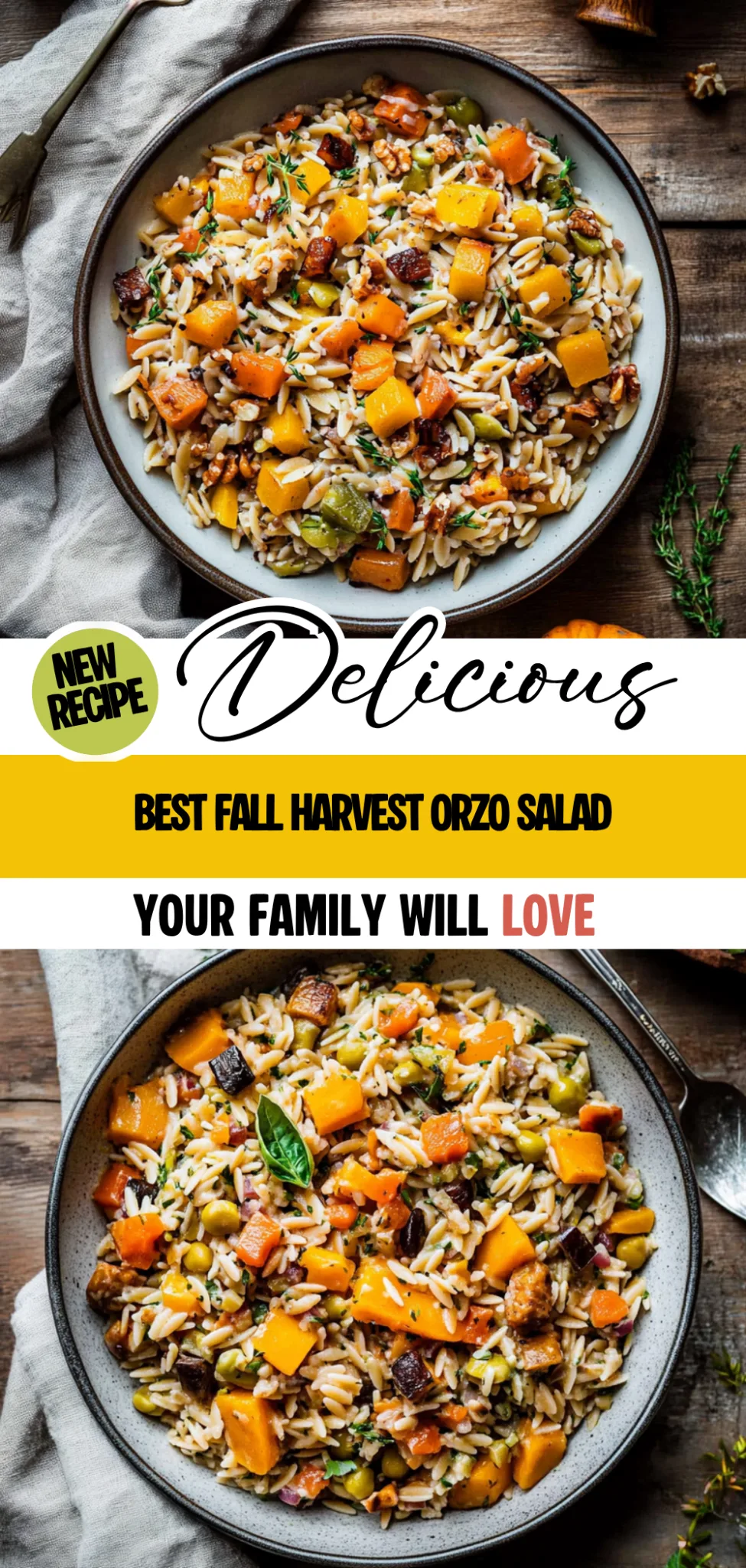
Are you ready to see how straightforward it is to make the Best Fall Harvest Orzo Salad of your dreams??
1. PREPARE THE ORZO
Let’s kick things off with the star of the show—the orzo!
1. BOIL – Bring a large pot of salted water to a boil. Add the uncooked orzo and cook according to the package instructions until al dente, which should take about 8-10 minutes. You want it firm but cooked through, so keep an eye on it!
2. DRAIN – Once cooked, drain the orzo in a colander and rinse under cold water to stop the cooking process. This keeps it from becoming mushy. Set aside while you prepare the veggies.
HANDY TIPS
- Make sure your water is truly boiling before adding the orzo for even cooking.
- To save time, you can prep the vegetables while the orzo cooks!
2. ROAST THE VEGETABLES
Now let’s bring out those fall flavors by roasting our seasonal veggies!
3. PREHEAT – Preheat your oven to 400°F (200°C). This higher temperature will help caramelize your vegetables nicely.
4. TOSS AND ROAST – On a baking sheet, toss together the diced butternut squash and halved brussels sprouts with olive oil, salt, and pepper until evenly coated. Spread them out in a single layer and roast for 20-25 minutes, or until they are tender and slightly caramelized—golden edges are what you’re after!
HANDY TIPS
- If you’re short on time, cut your butternut squash into smaller pieces for quicker roasting.
- Feel free to roast extra veggies if you like; this salad can handle more flavor!
3. MAKE THE DRESSING
A tangy dressing will tie all these beautiful ingredients together!
5. WHISK – In a mixing bowl, whisk together 3 tablespoons of olive oil, 2 tablespoons of apple cider vinegar, 1 teaspoon of honey (or maple syrup), 1 teaspoon of Dijon mustard, minced garlic, salt, and pepper until well combined. The dressing should be smooth and slightly thickened—taste it and adjust seasoning as desired.
HANDY TIPS
- For an extra kick, add a pinch of red pepper flakes or fresh herbs like thyme into your dressing!
- Prepare extra dressing on the side if you prefer your salad lightly dressed.
4. COMBINE THE SALAD
Let’s bring everything together for that beautiful fall harvest vibe!
6. MIX – In a large bowl, combine the cooked orzo with the roasted vegetables and fresh spinach. Pour in your homemade dressing and toss everything gently to coat evenly—this will ensure every bite is packed with flavor.
7. TOP – Finally, top your salad with crumbled feta cheese, chopped walnuts, and vibrant pomegranate seeds just before serving for that delightful crunch and burst of color!
HANDY TIPS
- Serve this salad warm or at room temperature—both are delicious!
- If making ahead of time, keep toppings separate until ready to serve for maximum freshness.
This Best Fall Harvest Orzo Salad is not only vibrant but also hearty enough for any gathering! With just a handful of straightforward steps, you’ve created a dish that celebrates fall’s bounty beautifully! Enjoy every colorful bite! – Nagi x
FAQ – Best Fall Harvest Orzo Salad
🌱 How long does this orzo salad last in the fridge?
This orzo salad will keep well in the refrigerator for about 3 to 5 days. However, I recommend consuming it within the first 3 days for optimal freshness and taste—after that, you might find the pomegranate seeds start to lose their crunch, reducing the overall texture of the dish. On day 3, it’s still about 97% as good, but by day 5, it may only be around 80%. If you notice any off smells or textures, it’s best to err on the side of caution and discard it.
⏳ Can I skip letting the orzo cool before mixing?
No, you can’t skip cooling the orzo! Rinsing it under cold water after cooking stops the cooking process and prevents it from becoming mushy. If you don’t cool it down, the residual heat can wilt your fresh spinach and make everything a bit too soggy for my liking. Trust me; I’ve tested this multiple times, and letting it cool really makes a difference!
❄️ Can I freeze this orzo salad?
Yes, you can freeze the orzo salad, but with a few caveats! To freeze:
- Assemble everything except for the dressing and toppings (feta cheese, walnuts, and pomegranate seeds).
- Store in an airtight container for up to 2 months.
- When ready to eat, thaw it overnight in the fridge and then add your dressing and toppings just before serving. This keeps everything fresh and delicious! Just remember that freezing can affect texture—so I wouldn’t recommend freezing it if you’re planning on serving guests.
🌾 Can I make this recipe gluten-free?
Absolutely! To make this orzo salad gluten-free, simply substitute regular orzo with a gluten-free pasta option. There are many great gluten-free pastas available nowadays that mimic traditional orzo pretty well. Just check that they have a similar cooking time so they don’t end up overcooked while you prepare everything else!
🧀 What can I use instead of feta cheese?
If you’re not a fan of feta or need a dairy-free alternative, there are several options:
- Goat cheese: It has a similar crumbly texture but is creamier.
- Ricotta salata: A firmer version of ricotta that crumbles nicely.
- For a vegan option, try using tofu mixed with nutritional yeast for a cheesy flavor without dairy. Just remember to season it well since tofu can be quite bland on its own!
🔪 Why do I need to rinse the orzo after cooking?
Rinsing the orzo after cooking serves two main purposes:
1. It stops the cooking process immediately, ensuring that your pasta doesn’t become mushy from carryover cooking.
2. It removes excess starch which can cause clumping as it cools down. Nobody wants a sticky salad! So trust me when I say rinsing is key—it’s one of those little steps that makes all the difference!
🌈 Can I add more vegetables to this salad?
Absolutely! This recipe is super versatile when it comes to veggies. You can easily add roasted carrots, sweet potatoes, or even some sautéed kale for extra flavor and nutrients. Just remember to balance flavors—if you’re adding something super sweet like roasted carrots, consider adjusting your dressing slightly with more acidity to keep things vibrant and lively!
🥜 What other nuts can I use instead of walnuts?
If walnuts aren’t your thing (or if you’ve got allergies), feel free to swap them out! Here are some tasty alternatives:
- Pecans: They have a lovely sweetness that complements fall flavors beautifully.
- Almonds: Sliced or slivered almonds add crunch.
- Pumpkin seeds (pepitas): Great for extra texture without nuts!
Just make sure whatever nut you choose is toasted lightly to enhance its flavor!
Troubleshooting
I will continue to add more to this Troubleshooting section as I start seeing questions coming through from people who have made the recipe.
Troubleshooting tips
“My orzo turned out mushy and clumpy! 😩”
- You may have overcooked the orzo. Cooking it beyond the recommended 8-10 minutes can lead to a mushy texture because the pasta continues to cook even after being drained.
- Not rinsing the orzo under cold water after draining can cause it to stick together, resulting in clumps. This step stops the cooking process and cools it down.
I bet they were still YUM though!
“My roasted vegetables are burnt on the outside but hard on the inside! 🔥”
- If your oven temperature was too high or if you overcrowded the baking sheet, it can cause uneven cooking. The vegetables need space to roast properly for even browning.
- Not cutting your butternut squash and brussels sprouts to similar sizes can lead to varying cooking times, causing some pieces to burn while others remain undercooked.
I bet they were still YUM though!
“The dressing is way too tangy for my taste! 😬”
- If you added too much apple cider vinegar or didn’t balance it well with honey or maple syrup, it can make the dressing overly acidic. Always taste as you go!
- Using a Dijon mustard that is particularly spicy might amplify the tanginess of your dressing. Consider trying a milder version next time.
I bet they were still YUM though!
“My salad looks a bit dull and not vibrant! 😕”
- If you didn’t use fresh spinach or added it too early, it could wilt and lose its bright color by mixing with warm ingredients. Add spinach last for that fresh pop of green!
- Skipping pomegranate seeds can also leave your salad looking less colorful and appealing. They not only add color but also a sweet crunch that enhances visual appeal.
I bet they were still YUM though!