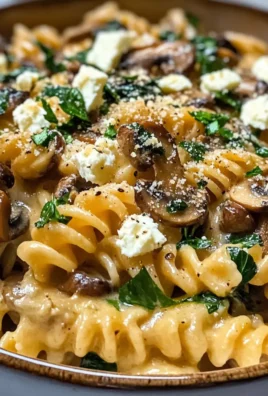
I first stumbled upon the idea for this Anti Inflammatory Turmeric Chicken Soup: An Incredible Secret Recipe You’ll Love during one of those cozy, rainy afternoons when all I wanted was a bowl of something warm and comforting. After a particularly delightful lunch at a little café that boasted a fantastic turmeric chicken soup, I couldn’t shake the craving. The vibrant golden color and fragrant spices made it special, and I knew I had to recreate this magic at home—partly to save money, but mostly because I felt I could make it even better with my own twist!
The journey to perfecting this soup was a comedic saga filled with more fails than I’d like to admit. It took me no less than six attempts (yes, six!) to get the balance just right—too much turmeric in the first batch turned it into an unintentional science experiment, while another attempt left me with a bland broth that could’ve been mistaken for dishwater. With each iteration, I aimed for a rich, soothing flavor that would not only warm the soul but also pack a nutritious punch—and let’s just say, my kitchen looked like it survived a spice explosion by the end of it!
But oh boy, was it worth every misstep! The final result is nothing short of heavenly—a nourishing chicken soup that’s as vibrant as it is delicious. Each spoonful is filled with tender chicken, perfectly cooked veggies, and a hint of warmth from the turmeric that dances on your palate. It’s comforting yet invigorating, with a silky texture that makes you feel like you’re giving your body a big hug. Trust me when I say you’re going to love this! So grab your apron and let’s dive into this incredible recipe—I can’t wait for you to taste it!
These Anti Inflammatory Turmeric Chicken Soup: An Incredible Secret Recipe You’ll Love are….
….the ultimate comfort food that not only warms your soul but also supports your health!
1. They deliver a vibrant, aromatic flavor with the earthy notes of turmeric and the brightness of lemon juice. This combination creates a soup that’s not just tasty but also invigorating, making every spoonful a delightful experience that nourishes as much as it satisfies.
2. Incredibly tender chicken pieces – each bite is melt-in-your-mouth soft, thanks to the careful simmering of the chicken in low sodium broth. This technique ensures that the chicken absorbs all the flavors while remaining juicy and succulent, elevating your soup from ordinary to exceptional.
3. The sautéing technique brings out the natural sweetness of onions and garlic, creating a deep flavor base that’s crucial for a memorable soup. By taking the time to sauté these aromatics before adding them to the broth, I found that it significantly enhances the overall taste profile of this dish.
4. Budget-friendly and easy to make, this recipe uses simple ingredients you likely already have at home, making it accessible for everyone. With just 1 lb of chicken and some veggies, you can whip up a nourishing meal that rivals any restaurant offering without breaking the bank.
PS This soup yields about 4 servings and freezes beautifully, so you can enjoy its benefits even on those busy days when you need a quick health boost!
Ingredients for the Anti Inflammatory Turmeric Chicken Soup: An Incredible Secret Recipe You’ll Love
Each ingredient in this dish plays an essential role in flavor and texture. Here’s what you’ll need:
1 lb boneless, skinless chicken breasts (cut into bite-sized pieces): Provides lean protein and a hearty base for the soup.
4 cups chicken broth (low sodium preferred): Adds depth and richness to the overall flavor profile.
1 cup carrots (diced): Introduces natural sweetness and vibrant color to the soup.
1 cup celery (diced): Contributes a fresh crunch and aromatic notes.
1 cup onion (diced): Enhances the savory foundation with its sweetness when sautéed.
2 cloves garlic (minced): Infuses warmth and depth with its pungent aroma.
1 tbsp turmeric powder (freshly ground if possible): Delivers anti-inflammatory benefits and a warm golden hue.
1 tsp ginger (grated): Adds a zesty kick that complements the turmeric beautifully.
1 tsp black pepper (freshly ground): Elevates flavors and enhances the absorption of turmeric’s benefits.
1 tbsp olive oil (for sautéing): Helps to cook the vegetables while adding a subtle richness.
1 tsp salt (to taste): Balances all the flavors for a harmonious dish.
2 tbsp fresh parsley (chopped for garnish): Offers a fresh finish and brightens up the presentation.
- 1 lemon juice (freshly squeezed): Adds a refreshing tang that lifts the soup’s overall flavor.
Blooming Spices is Non-Negotiable! Here’s Why
I have to confess, I thought I could skip the step of blooming the spices in this soup. After all, who wants to wait an extra couple of minutes when you’re craving that comforting turmeric chicken soup? But after several rounds of testing, I realized that skipping this crucial step leaves you with a bland broth that just doesn’t do justice to the vibrant flavors we want. So trust me, don’t rush through this one!
Blooming spices is essential because it activates their natural oils and flavors, resulting in a depth that transforms your soup from ordinary to extraordinary. Think of it like steeping tea: if you toss a teabag into cold water, you’ll get something lukewarm and lackluster. But give it time in hot water, and you get a rich infusion. The same principle applies here; by sautéing garlic, ginger, and turmeric before adding the broth, you’re ensuring those flavors are fully released into the soup.
What does blooming spices do?
- Flavor — Enhances the overall taste by releasing essential oils from the spices, making each spoonful burst with warmth.
- Aroma — Creates an enticing fragrance that fills your kitchen and invites everyone to gather around for a bowl.
- Color — Deepens the golden hue of the soup as turmeric infuses its vibrant pigment throughout.
- Texture — Ensures a more harmonious blend of flavors rather than sharp bursts from raw spices; everything melds beautifully.
- Nutrition — Releases beneficial compounds found in turmeric and ginger, increasing their health benefits as they work together in the broth.
Different blooming times
- 30 seconds (good) — You’ll notice some aroma but not much flavor development; it’s better than nothing but far from optimal.
- 1 minute (better) — Flavors start to emerge, creating a mildly aromatic base but still lacking full potency.
- 2 minutes (great) — This is the sweet spot where oils are fully activated, leading to a rich flavor profile that elevates your soup considerably.
- Beyond 3 minutes — You risk burning the garlic or ginger; while it may still taste good, bitterness can creep in—definitely not what we want.
Be warned: the most common mistake when blooming spices is rushing through it. If you don’t give enough time for them to bloom properly, you’ll end up with a bland soup that doesn’t showcase the incredible flavors of turmeric and ginger. Don’t make my mistake!
How to make Anti Inflammatory Turmeric Chicken Soup: An Incredible Secret Recipe You’ll Love

Are you ready to see how straightforward it is to make the Anti Inflammatory Turmeric Chicken Soup: An Incredible Secret Recipe You’ll Love of your dreams??
1. PREPARE THE INGREDIENTS
Start by gathering all your ingredients and prepping them for cooking!
1. Dice – Dice the chicken, carrots, celery, and onion into bite-sized pieces to ensure even cooking. This not only enhances the texture but also makes serving easier!
2. Heat – In a large pot, heat olive oil over medium heat until shimmering. This will create a perfect base for sautéing your vegetables.
HANDY TIPS
- Use low sodium chicken broth for better control over the soup’s saltiness.
- Freshly ground turmeric has a brighter flavor than pre-ground; if possible, opt for that!
2. SAUTÉ THE VEGETABLES
This step adds layers of flavor to your soup that will leave everyone wanting more!
3. Add – Add the diced onion, carrots, and celery to the pot. Sauté for about 5 minutes until softened; this will help release their natural sweetness and build a flavorful foundation.
4. Stir – Stir in the minced garlic, grated ginger, turmeric, and black pepper. Cook for another 2 minutes until fragrant; this step is crucial as it allows the spices to bloom and infuse the oil.
HANDY TIPS
- Keep an eye on your vegetables; you want them softened but not browned!
- If you’re feeling adventurous, add a pinch of cayenne pepper for a spicy kick!
3. COOK THE CHICKEN
This is where the magic really begins as your soup starts to take shape!
5. Add – Add the chicken pieces to the pot and cook until they are no longer pink, about 5-7 minutes. Make sure to stir occasionally so that all sides get cooked evenly — nobody likes undercooked chicken!
6. Pour – Pour in the chicken broth and bring to a boil; this will help combine all those wonderful flavors together.
HANDY TIPS
- For quicker cooking, cut your chicken into smaller pieces if you prefer!
- Make sure to scrape any bits off the bottom of the pot when adding broth; these bits add great depth of flavor!
4. SIMMER AND SERVE
Let’s finish this delightful soup so you can enjoy its incredible benefits!
7. Reduce – Reduce heat to low and let the soup simmer for 20 minutes; this allows all of those delicious flavors to meld together beautifully.
8. Season – Season with salt and adjust spices as needed; taste testing at this stage is essential — it’s your opportunity to make this soup uniquely yours!
9. Ladle – Ladle the soup into bowls, garnish with fresh parsley and a squeeze of lemon juice before serving; this not only brightens up the flavors but adds a beautiful touch!
10. Enjoy – Enjoy your anti-inflammatory turmeric chicken soup! You’ve created something truly nourishing.
HANDY TIPS
- The lemon juice really elevates the dish — don’t skip it! It balances out the richness beautifully!
- If you’d like extra veggies, feel free to throw in some spinach or kale during the last few minutes of simmering!
You’ve just crafted a soulful bowl of Anti Inflammatory Turmeric Chicken Soup that’s both comforting and health-boosting! With just 45 minutes from start to finish, you’ve got a nourishing meal ready in no time – perfect for any day of the week! Make these once, and I wager they will invade your dreams every night too! – Nagi x
FAQ – Anti Inflammatory Turmeric Chicken Soup: An Incredible Secret Recipe You’ll Love
🥣 How long can I store the Anti Inflammatory Turmeric Chicken Soup in the fridge?
You can keep this soup in the refrigerator for up to 4 days. It will still be about 90% as good on day 3, although you’ll notice that the flavors meld together even more beautifully. Just make sure to store it in an airtight container to prevent any absorption of odors from your fridge. If you’re unsure, a quick sniff test is always helpful!
⏰ Can I skip simmering the soup for 20 minutes?
Nope, you cannot skip the simmering step! Simmering allows all those lovely spices—especially the turmeric and ginger—to infuse into the broth and chicken. I’ve tested this multiple times, and trust me, skipping this step means missing out on that rich flavor profile. So, be patient and let it bubble away for a full 20 minutes. Your taste buds will thank you!
❄️ Can I freeze leftover Anti Inflammatory Turmeric Chicken Soup?
Absolutely! This soup freezes beautifully. To freeze, allow it to cool completely, then transfer it to freezer-safe containers or bags, leaving some space at the top since liquids expand when frozen. It will maintain its quality for up to 3 months in the freezer. To thaw, simply place it in the refrigerator overnight or heat it directly from frozen over low heat on the stove until warmed through.
🌱 Is this soup gluten-free and dairy-free?
Yes! This Anti Inflammatory Turmeric Chicken Soup is both gluten-free and dairy-free, making it suitable for various dietary needs. The ingredients—chicken, vegetables, broth, and spices—are all naturally free from gluten and dairy. If you’re looking to make further dietary accommodations (like vegan), you could substitute chicken with chickpeas or tofu, but that would change the essence of this particular recipe.
🥕 Can I substitute fresh ginger with ground ginger?
While you can use ground ginger if that’s what you have on hand, I recommend sticking with fresh ginger for optimal flavor and health benefits. Fresh ginger has a vibrant taste that dried doesn’t quite match up to; it’s worth seeking out! If using ground ginger, opt for about 1/3 teaspoon as a substitute since it’s more concentrated.
🔍 Why do I need to sauté the vegetables before adding them to the soup?
Sautéing the vegetables is crucial because it helps develop their flavors through caramelization. When you sauté onions, carrots, and celery first (a technique known as mirepoix), you’re enhancing their natural sweetness and complexity before introducing them to the broth. I’ve experimented with skipping this step and honestly? The flavor difference is noticeable! So take those few extra minutes; they are totally worth it!
🌶️ What variations can I try for additional flavors in this soup?
There are plenty of ways to customize this soup! Here are some ideas:
- Add spinach or kale during the last few minutes of cooking for a nutrient boost.
- Toss in some red pepper flakes or diced jalapeños if you like a bit of heat.
- For a richer flavor profile, consider adding a splash of coconut milk just before serving.
Experimentation is part of the fun—I’ve tried many combinations myself!
Troubleshooting
I will continue to add more to this Troubleshooting section as I start seeing questions coming through from people who have made the recipe.
Troubleshooting tips
“My soup turned out too watery! 😩”
- You may have added too much chicken broth. If you exceeded the 4 cups of low sodium chicken broth, it can dilute the flavors and make the soup watery.
- Another possibility is not letting the soup simmer long enough for the flavors to meld and thicken slightly. A good simmer allows evaporation and concentration of flavors.
- I bet it was still YUM though!
“My chicken ended up tough and dry! 😢”
- Overcooking the chicken pieces can lead to dryness; if you left them in longer than 7 minutes, they might have cooked too much before adding the broth.
- Using chicken that’s not fresh or has been previously frozen can also result in a tougher texture. Fresh, quality chicken gives the best results!
- I bet it was still YUM though!
“The vegetables were mushy and bland! 😳”
- If you sautéed the vegetables for longer than 5 minutes, they could lose their texture and become too soft. Aim for just until they’re softened but not mushy.
- Using old or stale vegetables can also affect flavor; always choose fresh produce for maximum taste!
- I bet it was still YUM though!
“My soup looks a little pale and unappetizing! 🤔”
- This might be due to using turmeric powder that isn’t freshly ground or a lower quality brand. Fresh turmeric has a brighter color and more vibrant flavor!
- Not cooking the spices long enough with the vegetables can also prevent their color from developing fully; ensure you cook them for at least 2 minutes after adding.
- I bet it was still YUM though!